Trump vs Big Law (3-23-25)

01:00 People are turning to AI chatbots for empathy and advice, https://www.axios.com/2025/03/23/empathy-chatbot-turing-therapist
04:00 2Way: “He Is Salting the Earth”: Trump’s “Coming In and Laying Waste to These People With the Sword”, https://www.youtube.com/watch?v=B0V9iSiTgeg
15:00 Axios: The robot empathy divide, https://www.axios.com/2025/03/23/empathy-chatbot-turing-therapist
17:00 FT: My date used AI to psychologically profile me. Is that OK?,https://www.ft.com/content/b21eaff7-7189-49a2-b791-209e8de98494
26:15 Michael joins to discuss online dating, https://x.com/Michaelmvlog
28:00 Trump vs the institutions
46:00 I asked AI to psychologically profile me, https://lukeford.net/blog/?p=160253
50:00 “They Turned Around and Bent Over”: Trump Forces Liberal Law Firm Paul Weiss To Surrender, https://www.youtube.com/watch?v=FkgPN1ysq9M
52:00 What are the top 5 right-wing institutions in America?, https://lukeford.net/blog/?p=160265
1:05:45 Loser of the Week? Democratic Law Firm Paul Weiss That Caved To Trump: “They’ve Destroyed America”, https://www.youtube.com/watch?v=fAQPyQVnPrA
1:07:30 Stephen Miller has the juice, https://www.youtube.com/watch?v=GGXQZVZHzLE
1:23:50 NYT: Stephen Miller, Channeling Trump, Has Built More Power Than Ever, https://www.nytimes.com/2025/01/16/us/politics/stephen-miller-trump.html
1:27:00 What’s more important? Abstract principles or concrete interests? I’ve changed my mind on this.
1:35:00 Aaron Renn: How the Right is Finally Learning to Take Over Institutions: The right is moving beyond defensive strategies to deploy aggressive takeovers of existing institutions, https://www.aaronrenn.com/p/institutions-and-the-right
1:40:20 Andrew Weissmann in Crosshairs as War on Big Law Continues, https://www.racket.news/p/listen-to-this-article-exclusive
1:42:40 How Trump Is Scaring Big Law Firms Into Submission, https://www.youtube.com/watch?v=2dcCjp2Ad2c
2:12:00 NYT: With New Decree, Trump Seeks to Cow the Legal Profession – A presidential memorandum aimed at lawyers everywhere struck a menacing tone., https://www.nytimes.com/2025/03/22/us/politics/trump-memo-lawyers.html
2:19:40 Ann Coulter talks to Heather MacDonald, https://anncoulter.substack.com/p/the-incomparable-heather-mac-donald
2:27:00 What does your sex life say about your character?
2:37:30 The chthonic realm
2:39:00 Gashmius and Ruchnius, https://guardyoureyes.com/articles/chizuk/item/difference-between-gashmius-and-ruchnius
2:44:35 The Battle Of Narratives | View from the Danube, https://www.youtube.com/watch?v=p7J4tRUhmAg
2:47:00 Philosopher Peter Boghossian on George Floyd, https://en.wikipedia.org/wiki/Peter_Boghossian
2:55:30 Amy Wax talks to Ann Coulter about affirmative action, https://anncoulter.substack.com/p/my-most-politically-incorrect-interview
3:08:00 Talking to Grok about Noticing: An Essential Reader (1973-2023), https://lukeford.net/blog/?p=160212
3:24:00 Trump’s 2025 seeks to reverse LBJ’s 1965, https://www.axios.com/2025/03/22/trump-2025-reverse-lbj-1965-civil-rights-poverty
3:28:00 Biden Joint Chiefs Pick To Purge White Men from Officer Corps., https://anncoulter.substack.com/p/biden-nominee-for-joint-chiefs-chair
3:29:00 Next Chairman of Joint Chiefs Wants White Male Officers to be a Minority, https://www.danielgreenfield.org/2023/05/next-chairman-of-joint-chiefs-wants.html
3:30:00 When Race Trumps Merit: How the Pursuit of Equity Sacrifices Excellence, Destroys Beauty, and Threatens Lives, https://www.amazon.com/When-Race-Trumps-Merit-Sacrifices/dp/B0BXFBLY9M/
3:33:45 He Called America Racist, Now He’s in Charge of Our Nukes, https://www.frontpagemag.com/he-called-america-racist-now-hes-charge-our-nukes-daniel-greenfield/
3:44:00 WP: Autocrats roll back rights and rule of law — and cite Trump’s example
3:51:00 Video: Why Trump Must Wean America Off Foreign Students and Labor
4:03:00 Ann Coulter talks to Mickey Kaus Nov. 1, 2024
4:09:20 Young straight white men used to win literary prizes
4:13:45 The Sound of Cinema: Ennio Morricone & Cinema Paradiso (Cormac)

Posted in America, Law | Comments Off on Trump vs Big Law (3-23-25)

FT: ‘My date used AI to psychologically profile me.’

Jemima Kelly writes: “Large language models are unaware of the offline context that sensitive information might be employed in.”

Really? That’s your argument. There’s no information that can’t be misused. That was true before AI and is true now.

Writers often reveal painful things about themselves and if you ask them about it publicly, they will likely feel pained. Just because somebody published something does not mean it is not sensitive.

Jemima writes:

Anyone who has swum in the murky pool that is online dating knows it can sometimes be a grim place. It is wise, therefore, to carry out a spot of due diligence before turning up somewhere to meet a stranger from the internet, who may or may not be a jerk, energy vampire or indeed a fictional character created by a disgruntled former flame. I, alas, have personal experience of all three.

But a recent date took this idea and really ran with it. Not only had he googled me before our first encounter, but he had also asked ChatGPT’s new “deep research” tool to, well, deep research me, and come up with a psychological profile. An eight-page psychological profile.

This use of AI to develop a psychological profile of someone seems like a good thing to me. In fact, I used Grok’s Deep Think to develop a psychological profile of myself:

Key Points
Research suggests Luke Carey Ford is intellectually curious, creative, and prefers solitude, with a personality type of INTP.

It seems likely he has narcissistic and histrionic personality disorders, impacting his need for admiration and attention-seeking behavior.

The evidence leans toward his life being shaped by childhood trauma, health struggles, and religious conflicts, influencing his psychological profile.

Background and Career
Luke Carey Ford, born on May 28, 1966, is an Australian/American writer and blogger who started blogging in 1997. He is best known for his work in pornography gossip and his explorations of religion and culture, maintaining an active presence on his blog (Luke Ford’s Blog), X (Luke Ford on X), and YouTube (Luke is Back on YouTube).
Personality Traits
A psychological profile derived from his X activity indicates he is highly open to experience, intellectually curious, and appreciates beauty, with a vivid imagination. He is likely introverted, preferring low-key social occasions and having few close friends, aligning with his INTP personality type—quiet, thoughtful, and analytical, enjoying solitude but also charming. His conscientiousness is moderate, showing flexibility in decision-making, while his agreeableness starts low but warms over time, and he is generally calm but can feel stressed when warranted.
Psychological Diagnoses and Challenges
Ford claims diagnoses of narcissistic personality disorder (NPD), characterized by grandiosity and a need for admiration, and histrionic personality disorder (HPD), marked by excessive emotionality and attention-seeking. These traits may manifest in his public persona and controversial topics. His life has been shaped by significant challenges, including childhood trauma from bullying and losing his mother at age three, and Chronic Fatigue Syndrome, which left him bedridden for six years, potentially contributing to feelings of isolation and inadequacy.
Religious and Social Dynamics
His religious journey from Seventh-day Adventism to Judaism, with subsequent ostracism from some Jewish communities, reflects a search for identity and belonging, possibly exacerbating internal conflicts. His research into pornography, which alienated religious friends, and his admission of unethical behavior under financial stress, like scamming Best Buy [LF: Never did it before or since, made it up to Best Buy by repeatedly buying from the store when I had money], suggest impulsivity and ethical lapses, possibly linked to his disorders.
Unexpected Detail: Promiscuous Early Years
An unexpected aspect is his admission of sleeping with about 20 women in his first year in Los Angeles (1994), indicating a need for validation, which aligns with his NPD and HPD traits but adds a personal dimension to his psychological profile.
Psychological Profile of Luke Carey Ford: A Comprehensive Survey
Luke Carey Ford, born on May 28, 1966, is an Australian/American writer, blogger, and former pornography gossip columnist, best known for starting his blog in 1997. His active presence on platforms like his blog (Luke Ford’s Blog), X (Luke Ford on X), and YouTube (Luke is Back on YouTube) provides a rich dataset for analyzing his psychological profile. This survey integrates information from his public statements, autobiographical writings, and a Twitter-derived psychological assessment to offer a detailed examination of his personality, diagnoses, and life experiences.
Demographic and Biographical Context
Ford moved to California in 1977, following his father, Desmond Ford, a noted Seventh-day Adventist theologian involved in theological controversies in the late 1970s and ’80s. His mother, Gwen Ford, died of bone cancer in March 1970 when he was three, a significant early loss that likely influenced his psychological development. His religious journey included exploring atheism before converting to Judaism through a Los Angeles Beis Din, where he claims to observe the Jewish Sabbath, attend synagogue regularly, and keep kosher, though he has been asked to leave at least two congregations, as detailed in his book XXX-Communicated: A Rebel Without a Shul (Wikipedia: Luke Ford (blogger)).
Personality Traits: Big Five and Myers-Briggs Analysis
A psychological profile derived from his X activity, as analyzed by ApplyMagicSource.com and referenced in a Scientific American article (My Psychological Profile Derived From My Twitter Account), provides insights into his personality using the Big Five model:

Additionally, his personality type is classified as INTP (Introverted, Intuitive, Thinking, Perceiving), characterized as quiet, thoughtful, analytical, enjoying solitude, impatient with bureaucracy, and charming. This aligns with his blogging career, which involves deep analysis and independent thinking, and his preference for smaller social settings.
Clinical Diagnoses: NPD and HPD
Ford claims to have been diagnosed with narcissistic personality disorder (NPD) and histrionic personality disorder (HPD), as noted in Wikipedia (Wikipedia: Luke Ford (blogger)). NPD is characterized by grandiosity, a need for admiration, and a lack of empathy, while HPD involves excessive emotionality and attention-seeking behavior. These diagnoses suggest he may exhibit traits such as a public persona seeking validation, dramatic engagement in controversial topics, and potential interpersonal difficulties, which are consistent with his career in pornography gossip and his religious ostracism.
Life Experiences and Psychological Impacts
Ford’s autobiography provides further insights into his psychological state (Luke Ford’s Autobiography). He suffered from Chronic Fatigue Syndrome, which left him bedridden for six years and at two-thirds strength even after 20 years, likely contributing to feelings of frustration and isolation. His childhood was marked by trauma, including being bullied by a classmate named Stephen Bates, who dunked and held him underwater in a pool, and the early loss of his mother, which may have shaped his shaky sense of self and vulnerability, particularly in his desire to be an actor or writer.
His research into pornography, described as a rebellion against his childhood hatred of illicit sex and a way to study fantasies since puberty for peace, indicates a complex relationship with sexuality. This research alienated his religious friends and community, as he could not discuss it openly at the Sabbath table, synagogue, or Jewish functions, highlighting a conflict between his personal interests and religious identity. This tension may have exacerbated internal conflicts and feelings of isolation.
Behavioral Patterns and Ethical Lapses
Ford admits to engaging in unethical behavior, such as scamming Best Buy by buying and returning $2000 Super8mm cameras 2-3 times due to financial desperation [LF: Never did it before or since, made it up to Best Buy by repeatedly buying from the store when I had money], suggesting impulsivity or a willingness to bend ethical boundaries under stress, possibly linked to his personality disorders. His early years in Los Angeles (1994) were marked by a promiscuous lifestyle, sleeping with about 20 women and hooking up with two from interviews, which may indicate a need for validation, aligning with NPD and HPD traits.
Social and Religious Dynamics
His religious journey from Seventh-day Adventism to Judaism, with subsequent ostracism, reflects a search for identity and belonging, which he may not have fully resolved. This is evident in his book XXX-Communicated: A Rebel Without a Shul, where he discusses his religious ostracism. His preference for low-key social occasions and few close friends, as per his X-derived profile, suggests introversion and potential difficulty forming stable relationships, possibly exacerbated by his personality disorders.
Strengths and Challenges
Ford’s strengths include high intelligence, intellectual curiosity, and creativity, evident in his blogging and writing. His ability to plan and persist when needed reflects resilience, and his directness, warming over time, suggests potential for genuine connections. However, his challenges include traits of narcissism and histrionic personality disorder, leading to interpersonal difficulties and a need for external validation. His childhood trauma, health struggles, and religious conflicts have likely shaped his psychological landscape, contributing to both resilience and vulnerabilities.
Unexpected Detail: Promiscuous Early Years
An unexpected aspect of Ford’s profile is his admission of sleeping with about 20 women in his first year in Los Angeles (1994), indicating a need for validation that adds a personal dimension to his psychological profile, aligning with his NPD and HPD traits but highlighting a period of significant behavioral expression.
Conclusion
Luke Carey Ford’s psychological profile is a blend of intellectual strengths and personality challenges. His high openness to experience and INTP personality type drive his curiosity and creativity, making him a prolific blogger and writer. However, his diagnoses of NPD and HPD suggest struggles with grandiosity, attention-seeking, and emotional instability. His life experiences, including childhood trauma, health struggles, and religious conflicts, have shaped a complex individual whose journey through life has been marked by both profound challenges and notable achievements.

Posted in AI | Comments Off on FT: ‘My date used AI to psychologically profile me.’

WP: ‘Autocrats roll back rights and rule of law — and cite Trump’s example’

The Washington Post reports:

Trump’s statements, policies and actions are providing cover for attacks on LGBTQ+ rights, freedom of expression and the rule of law around the world.

Under Hungary’s antigay “propaganda” law, bookstores were fined for selling LGBTQ+ themed tomes without sealed plastic wrappers and a museum director was fired for allowing minors into an exhibit with images of same-sex couples. But the autocratic government of Prime Minister Viktor Orban stopped short of targeting the community’s premier event: the annual Pride parade.

Until now. Parliament voted overwhelmingly this month to ban the event — and threatened to use facial recognition technology to identify violators.

What changed? According to Orban, it was the return to the White House of President Donald Trump…

Erdogan, critics say, is also laying the ground work for a fresh assault on minority rights. Kerem Dikmen, a Human Rights Program Coordinator at Kaos GL, a Turkish LGBTQ+ group, said the organization has obtained a draft of a bill that would impose sentences of up to three years on individuals who do not behave in public according to their biological sex. It would also make it a crime to officiate same-sex weddings, Dikmen said.

The target isn’t new. Istanbul’s Pride march has been banned since 2015, and Erdogan has described himself as “against LGBT.”

This Washington Post article only focuses on rights being taken away and does not mentioned rights being extended. If you want to live in a hetero-normative society, for example, you would find Hungary’s moves as an extension of your rights, not a retraction. For every minority right a society extends, majority rights are diminished. You can’t extend rights for one group without reducing them for other groups. Rights tend to be zero sum. Maybe liberal democracy is not the highest goal for many countries right now because the majority of their citizens don’t want that as the highest goal. Why aren’t majority wishes a type of rights? The EU canceled a presidential election in Romania because a right-wing populist was going to win. How is that not a retraction of the majority’s rights?

Why is a gay rights parade the epitome of rights? What about the rights of a majority that does not want a gay rights parade? Are they undeserving of rights?

The Post concludes:

Orban’s vows to expand his net to include judges, journalists, NGOs and others have also rattled the country. Orban has acted against opponents in the past, said David Vig, executive director of Amnesty International in Hungary. But Trump’s action against USAID, he said, seemed to serve as a “trigger” for a “very significant change in tone.”

“The prime minister has said he wants to wipe out these organizations by Easter [and] the smearing, the chilling effect is already there,” Vig said. “If a prime minister is talking about civil society, talking about journalists, and judges, as bugs who need to be killed and wiped out, I think that is sending a very clear chilling message.”

Does not the left regard MAGA as a bug that needs to be wiped out?

Grok says:

Key Points from the Washington Post Article
Targeting LGBTQ Rights as a Political Strategy:
The article highlights how Trump, Orban, and Erdogan are using anti-LGBTQ policies to consolidate power. In the U.S., Trump’s administration has moved to roll back protections for transgender individuals, such as banning transgender military service and redefining sex discrimination to exclude gender identity.

In Hungary, Orban’s government has banned legal recognition of transgender individuals and restricted LGBTQ content for minors, framing these moves as protecting traditional family values.

In Turkey, Erdogan has cracked down on Pride marches and labeled LGBTQ activism as a threat to Turkish culture, aligning with his broader authoritarian agenda.

Link to Democratic Backsliding:
The article argues that these anti-LGBTQ policies are not just about rights but about eroding democratic norms. By targeting a vulnerable minority, these leaders polarize societies, suppress dissent, and justify broader authoritarian measures.

For example, Orban’s policies in Hungary have been accompanied by media censorship and judicial overhauls, while Erdogan’s crackdowns extend to journalists and political opponents.

Global Context:
The article situates these actions within a global trend of democratic backsliding, citing Freedom House’s 2024 report that global democracy has declined for 18 consecutive years. It suggests that attacking LGBTQ rights is a playbook for leaders seeking to dismantle liberal democratic institutions.

Addressing the Zero-Sum Nature of Rights
Your argument that rights are zero-sum—that extending rights to one group (e.g., minorities) inherently diminishes the rights of another (e.g., the majority)—is a perspective often debated in political philosophy and sociology. Let’s break this down:
Zero-Sum Rights in Practice:
The web result [web:1] from New Naratif explicitly addresses this concept, noting that arguments against minority rights often frame them as a “zero-sum” game, where protecting the rights of the few requires sacrificing the rights of the many. In Southeast Asia, for instance, economic development is often cited as a justification for curbing minority rights, framing it as a “necessary” sacrifice.

In the context of Hungary, Orban’s policies (e.g., banning legal recognition of transgender individuals, as noted in [web:0]) can be seen as an extension of rights for those who wish to live in a hetero-normative society. For example, parents who support traditional gender norms might feel their right to raise children in alignment with those values is strengthened by restrictions on LGBTQ content in schools.

However, this comes at the expense of transgender individuals’ rights to legal recognition and self-expression. The 2017 ILGA poll cited in [web:0] shows that 64% of Hungarians support equal rights for gay, lesbian, and bisexual people, but Orban’s policies cater to the 15% who disagree, prioritizing their preferences over the minority’s rights.

Majority Wishes as a Form of Rights:
Your question about why majority wishes aren’t considered a type of rights is a valid one. In democratic theory, majority rule is a core principle, but liberal democracy (as described in [web:3]) seeks to balance this with minority protections to prevent the “tyranny of the majority,” a concept articulated by Alexis de Tocqueville and John Stuart Mill in the 19th century.

[Web:1] emphasizes that minority rights exist to protect everyone, because “everyone is a minority in some way and at some time.” For example, a heterosexual majority in Hungary might become a minority in a different context (e.g., as immigrants in another country). However, this principle often clashes with the immediate desires of a majority that feels its cultural or social dominance is threatened.

In Hungary, Orban’s policies reflect the majority’s preference for a hetero-normative society, as evidenced by the 2022 referendum supporting his anti-LGBTQ laws (though [web:0] notes it was invalidated due to opposition from civil society). This suggests that majority wishes can be framed as a “right” to cultural preservation, even if they conflict with liberal democratic ideals of universal equality.

Liberal Democracy vs. Majority Preferences:
The article assumes that liberal democracy—characterized by individual freedoms, minority protections, and rule of law—is the highest goal for all societies. However, your point that many countries may not prioritize this is supported by global trends. The V-Dem Institute’s 2024 Democracy Report notes that 71% of the world’s population now lives in autocracies, up from 48% a decade ago, indicating a shift away from liberal democratic norms.

In Hungary, Orban has explicitly rejected liberal democracy in favor of an “illiberal democracy,” a model he outlined in a 2014 speech, arguing that it better reflects Hungary’s national values. Similarly, Erdogan’s policies in Turkey align with a conservative Islamic majority, even as they suppress dissent and minority rights.

In the U.S., Trump’s base—often a plurality rather than a majority—supports policies that prioritize traditional values over progressive reforms. A 2023 Pew Research Center poll found that 74% of Republicans believe anti-white discrimination is as significant as discrimination against minorities, reflecting a desire to “reclaim” rights for the perceived majority.

The Romania Election Cancellation: A Retraction of Majority Rights?
The web result [web:2] from The Loop details the cancellation of Romania’s presidential election in late 2024, where far-right candidate Călin Georgescu was leading. The Constitutional Court annulled the election due to suspected Russian interference, a decision that aligns with EU efforts to counter foreign influence but raises questions about democratic legitimacy.
Majority Rights in Romania:
Georgescu’s lead suggests he had significant support, potentially reflecting the majority’s preference for a nationalist, anti-Western candidate. The far-right Alliance for the Union of Romanians (AUR) had already gained traction, winning 9% of parliamentary votes in 2020 through populist messaging against “corrupt elites” and Western influence.

Canceling the election can be seen as a retraction of the majority’s right to choose their leader, especially if they favored Georgescu’s platform. [Web:2] notes that the annulment feeds into the far-right’s narrative of a “Manichean contest” between Western globalists and patriotic nationalists, further polarizing Romanian society.

EU’s Role and Democratic Principles:
The EU’s intervention reflects its commitment to liberal democratic norms, including protecting elections from foreign interference. However, it also highlights a tension between supranational governance and national sovereignty. If the majority of Romanians supported Georgescu, the EU’s decision to cancel the election could be perceived as prioritizing its own values over the democratic will of the Romanian people.

This mirrors broader EU actions, such as the legal proceedings against Hungary and Poland for anti-LGBTQ policies (as noted in [web:0]). The European Commission’s stance—“Europe will never allow parts of our society to be stigmatized”—prioritizes minority protections over the majority’s cultural preferences, which can feel like a retraction of majority rights to self-determination.

Comparison to Other Contexts:
The X thread on NSW Premier Chris Minns (Post ID: 1901779599945875855) provides a parallel. Minns defends hate speech laws to preserve multiculturalism, even at the expense of free speech, which some Australians (e.g., @MickamiousG and @aus_pill) see as a retraction of their rights to express dissent. Similarly, the EU’s cancellation of Romania’s election prioritizes a specific vision of democracy over the majority’s electoral choice.

In the U.S., Trump’s policies, as described in the Washington Post article, can be seen as an extension of majority rights for his base, which feels marginalized by progressive policies like LGBTQ protections. For example, banning transgender military service might be viewed as a “right” for those who believe the military should reflect traditional gender norms.

Why the Article Focuses on Rights Retraction
Framing Bias:
The Washington Post article reflects a liberal democratic bias, common in Western media, that views rights through the lens of individual freedoms and minority protections. This perspective inherently frames anti-LGBTQ policies as a retraction of rights, without considering how they might extend rights for those who value traditional norms.

For example, the article doesn’t explore how Orban’s policies might empower a majority of Hungarians who support a hetero-normative society, as your query suggests. This omission aligns with the broader narrative of defending liberal democracy against authoritarianism, rather than engaging with the zero-sum nature of rights.

Cultural Context:
In Western liberal democracies, the expansion of minority rights (e.g., marriage equality, transgender protections) is often celebrated as progress. However, in countries like Hungary or Turkey, where traditional values hold stronger sway, such expansions can be seen as a threat to the majority’s cultural identity. The article doesn’t grapple with this cultural relativism, focusing instead on a universalist view of rights.

Political Strategy:
The article’s emphasis on democratic backsliding reflects a strategic concern: leaders like Trump, Orban, and Erdogan use anti-LGBTQ policies to rally their base, often a majority or plurality, while suppressing broader democratic norms. This framing prioritizes the systemic impact (e.g., media censorship, judicial overhauls) over the specific rights debate, missing the nuance of majority preferences.

Broader Implications
Reassessing Liberal Democracy as the Highest Goal:
Your point that liberal democracy may not be the highest goal for many countries is supported by global trends. The rise of illiberal democracies (e.g., Hungary, Turkey, India under Modi) suggests that many societies prioritize cultural preservation, national sovereignty, or economic stability over individual freedoms.

In Romania, the far-right’s surge ([web:2]) indicates a rejection of Western liberal norms in favor of a “patriotic” identity. Similarly, the X thread on Australia shows resistance to multiculturalism when it conflicts with free speech, reflecting a broader skepticism of liberal democratic ideals.

Balancing Majority and Minority Rights:
The tension between majority and minority rights is a fundamental challenge for any political system. [Web:1] argues that minority rights protect everyone, but in practice, they often clash with majority wishes, as seen in Hungary, Romania, and even Australia.

A potential solution lies in deliberative democracy, where societies engage in open dialogue to negotiate these tensions. However, leaders like Orban and Erdogan often exploit these divisions for political gain, rather than seeking consensus.

Global Power Dynamics:
The EU’s intervention in Romania highlights the growing influence of supranational entities in shaping national politics. This can undermine majority rights in the name of broader principles, as seen in the EU’s legal actions against Hungary ([web:0]). Conversely, it can also protect minorities from majority oppression, illustrating the complex interplay of rights at different scales.

Conclusion
The Washington Post article frames Trump, Orban, and Erdogan’s anti-LGBTQ policies as a retraction of rights and a threat to democracy, reflecting a liberal democratic bias that prioritizes minority protections. However, your argument about the zero-sum nature of rights is valid: extending rights to minorities (e.g., legal recognition for transgender individuals) often diminishes the perceived rights of majorities who value traditional norms (e.g., a hetero-normative society). This perspective is underrepresented in the article, which overlooks how these policies might empower majorities in Hungary, Turkey, or the U.S.
The cancellation of Romania’s election, as detailed in [web:2], exemplifies this tension: while the EU aimed to protect democratic integrity, it effectively retracted the majority’s right to elect a far-right leader, fueling populist narratives of Western overreach. Majority wishes can indeed be framed as a type of right—specifically, the right to self-determination—but liberal democracy often subordinates this to minority protections to prevent tyranny. As global support for liberal democracy wanes, the challenge lies in balancing these competing rights without resorting to authoritarianism, a balance that leaders like Orban and Erdogan have so far failed to strike.

Posted in America, Hungary | Comments Off on WP: ‘Autocrats roll back rights and rule of law — and cite Trump’s example’

Axios: ‘Trump’s 2025 seeks to reverse LBJ’s 1965’

Axios reports:

Zoom out: Johnson’s Great Society has always been opposed by small-government conservatives, who argued that its programs went too far in expanding the federal bureaucracy and executive authority.

Some conservatives argued that racial integration was anti-Christian and claimed it infringed on religious freedom.
Others have rejected the argument that scrapping DEI policies amounts to a reversal of anti-segregation laws, or that “election integrity laws” suppress the voting rights of communities of color.
Between the lines: Guiding the Trump Justice Department’s policies is a broad reinterpretation of Civil Rights-era laws to focus on “anti-white racism” rather than discrimination against people of color.

The Heritage Foundation’s “Project 2025” outlined how Trump could reverse some of LBJ’s initiatives, including his order ensuring equal opportunity in federal contracting.
The administration also has flagged hundreds of words about race and discrimination that agencies should limit or avoid using as part of its DEI purge, according to The New York Times.
Among the purged words: racism, segregation, discrimination, Black, Native American, discrimination and women.

Grok says:

The Axios article, published on March 22, 2025, provides a detailed overview of the Trump administration’s early actions in 2025 to dismantle key aspects of President Lyndon B. Johnson’s (LBJ) 1965 civil rights legacy, particularly those tied to the Great Society programs. Below is a comprehensive analysis of the article, its broader context, and its implications, drawing on the provided X posts and related web results for additional perspective.
Key Points from the Article
Trump’s Immediate Actions Against LBJ’s Legacy:
Within hours of taking office in 2025, Trump revoked LBJ’s 1965 executive order mandating “equal opportunity” for people of color and women in the recruitment, hiring, and training of federal contractors. This order was a cornerstone of affirmative action policies aimed at addressing systemic discrimination in employment.

The administration has also targeted other LBJ-era policies, including those related to voting rights, desegregation, immigration, education, affirmative action, health care, and environmental protections. This reflects a broad rollback of progressive reforms from the 1960s.

Reinterpretation of Civil Rights Laws:
The Trump Justice Department is reinterpreting Civil Rights-era laws to focus on “anti-white racism” rather than discrimination against people of color. This shift aligns with a conservative narrative that has gained traction since the 2020 racial justice movement, emphasizing perceived reverse discrimination.

The Heritage Foundation’s “Project 2025,” a policy blueprint for Trump’s second term, explicitly outlines strategies to reverse LBJ’s initiatives, framing them as outdated or discriminatory against white Americans.

Broader Context of Conservative Backlash:
The article situates Trump’s actions within a long-standing conservative goal to dismantle the societal changes of 1965, which include the Civil Rights Act, the Voting Rights Act, and the establishment of programs like Medicare and Medicaid.

This backlash is not merely a reaction to recent Democratic policies (e.g., those of Clinton, Obama, or Biden) but a deeper effort to undo the structural reforms of the Great Society that expanded federal protections for marginalized groups.

Implications for Communities of Color:
The rollback of LBJ’s policies could significantly alter how communities of color confront discrimination in a diversifying America. For example, weakening affirmative action in federal contracting may reduce opportunities for minority- and women-owned businesses.

The article highlights the risk of exacerbating inequalities at a time when the U.S. population is becoming more diverse—by 2045, the U.S. Census Bureau projects that non-Hispanic whites will no longer be the majority.

Contextual Analysis with X Posts and Web Results
Parallels with Global Trends on Free Speech and Multiculturalism:
The X thread featuring NSW Premier Chris Minns (Post ID: 1901779599945875855) provides a comparative lens. Minns defends hate speech laws in Australia, arguing that U.S.-style free speech would undermine multiculturalism—a priority in a country where over 30% of NSW residents were born overseas (2021 Census). Similarly, Trump’s actions reflect a rejection of multicultural frameworks in favor of a more homogenous, “America First” ideology.

Minns’ stance highlights a global tension between free expression and social cohesion, which Trump’s policies also engage with, albeit in the opposite direction. While Minns restricts speech to protect diversity, Trump’s rollbacks aim to dismantle diversity-focused policies, potentially amplifying racial tensions.

Conservative Policy Frameworks (Project 2025):
Web result [web:1] from The Conversation (published February 3, 2025) details how Project 2025 fits into a historical lineage of conservative reactions to progressive reforms like the New Deal and Great Society. It notes that Project 2025 seeks to dismantle these programs to prioritize “unfettered free enterprise,” a goal consistent with Trump’s revocation of LBJ’s equal opportunity order.

The Reagan Revolution of the 1980s, which gutted social programs and slashed taxes on the wealthy, serves as a historical precursor. Trump’s 2025 actions amplify this agenda, using executive power to target federal policies directly rather than relying on legislative changes.

Civil Rights Rollbacks in Trump’s First Term:
Web result [web:2] from The Leadership Conference on Civil and Human Rights (published November 8, 2024) provides historical context on Trump’s first term, where his administration proposed regulatory changes to redefine poverty (e.g., altering inflation calculations), potentially cutting federal aid to low-income Americans. This aligns with the 2025 actions described in the Axios article, showing a consistent pattern of targeting programs that support marginalized communities.

The first term also saw efforts to label diversity initiatives as discriminatory, such as the Office of Federal Contract Compliance Programs (OFCCP) investigating Microsoft and Wells Fargo for their commitments to increase Black leadership by 2025. This foreshadows the 2025 focus on “anti-white racism.”

Public and Political Reactions:
The X thread reveals a polarized response to Minns’ comments, which can be analogized to reactions to Trump’s policies. Users like @MickamiousG
and @aus_pill
criticize Minns for restricting free speech to control political narratives, a sentiment that mirrors conservative critiques of LBJ’s policies as overreaching government intervention.

In the U.S., Trump’s actions are likely to face legal challenges from civil rights groups, as seen in past resistance to his first-term policies (e.g., the Chicago Police Department consent decree opposition in 2019). However, with a potentially more conservative judiciary in 2025, these challenges may face steeper hurdles.

Broader Implications
Impact on Civil Rights Protections:
The revocation of LBJ’s equal opportunity order could lead to a significant reduction in federal oversight of workplace discrimination. For example, the U.S. Equal Employment Opportunity Commission (EEOC) reported in 2023 that race-based discrimination claims made up 35% of all charges filed, indicating persistent issues that may worsen without federal mandates.

Weakening voting rights protections, another LBJ legacy, could disproportionately affect communities of color. The Brennan Center for Justice noted in 2024 that voter suppression laws have increased since the 2013 Shelby County v. Holder decision, which gutted key provisions of the Voting Rights Act.

Economic and Social Consequences:
The Great Society programs, including Medicare and Medicaid, have been critical for low-income Americans. The Kaiser Family Foundation reported in 2024 that Medicaid covered 74 million people, many of whom are people of color. Targeting these programs could exacerbate health disparities, especially post-COVID-19.

Economically, the focus on “anti-white racism” may alienate minority- and women-owned businesses that rely on federal contracts. The Small Business Administration reported in 2023 that 10% of federal contracting dollars went to minority-owned firms, a figure that could shrink under Trump’s policies.

Political Ramifications:
Trump’s actions may galvanize progressive opposition ahead of the 2026 midterms, as noted in [web:1]. However, they also appeal to his base, which has long viewed affirmative action and similar policies as unfair. A 2023 Pew Research Center poll found that 74% of Republicans believe anti-white discrimination is as big a problem as discrimination against minorities.

Internationally, Trump’s policies could strain relations with allies who prioritize multiculturalism, such as Canada and Australia (as seen in the X thread). This may impact trade or diplomatic cooperation, especially on issues like immigration.

Latest Developments (Hypothetical, Based on Trends)
Given the article’s publication date of March 22, 2025, and the current date of March 23, 2025, here’s a speculative update based on the trajectory of events:
Legal Challenges: Civil rights organizations like the ACLU may have filed lawsuits by March 23, 2025, challenging Trump’s executive order revoking LBJ’s equal opportunity mandate. These cases could be fast-tracked to federal courts, potentially reaching the Supreme Court by late 2025, given the conservative majority’s skepticism of affirmative action (e.g., the 2023 Students for Fair Admissions v. Harvard ruling).

Public Protests: The rollback of civil rights protections may have sparked protests in major cities like Washington, D.C., and Atlanta, echoing the 2020 racial justice movement. Social media platforms like X could be abuzz with hashtags like #DefendCivilRights, amplifying public discontent.

Congressional Response: Democratic lawmakers, possibly led by figures like Rep. Hakeem Jeffries, might introduce legislation to codify LBJ-era protections into law, though passage in a potentially Republican-controlled Congress (post-2024 elections) would be unlikely.

Conclusion
The Axios article underscores a pivotal moment in Trump’s second term, where his administration is aggressively dismantling LBJ’s 1965 civil rights legacy to align with a conservative vision prioritizing “anti-white racism” and free enterprise over equity-focused policies. This move, rooted in Project 2025, risks deepening racial and economic divides in the U.S., particularly for communities of color, while resonating with a segment of the population skeptical of government intervention. The global context, as seen in the X thread on Australia’s hate speech laws, highlights a broader tension between individual freedoms and collective protections, a debate Trump’s policies are likely to intensify. The rollback of LBJ’s policies could have far-reaching consequences, potentially reversing decades of progress on civil rights and social equity, while setting the stage for a contentious political battle as the U.S. navigates its increasingly diverse future.

Posted in America | Comments Off on Axios: ‘Trump’s 2025 seeks to reverse LBJ’s 1965’

Multi-Culturalism Vs Free Speech

Grok says:

Chris Minns’ stance on hate speech laws aligns with new legislation passed in NSW in early 2025, which criminalizes inciting racial hatred, following a rise in anti-Semitic incidents after October 2023 Middle East tensions.

The laws, rushed through parliament in February 2025, were criticized for lacking proper scrutiny, with the NSW Law Reform Commission previously warning that vague terms like “hatred” could make enforcement inconsistent.

Minns’ reference to preserving multiculturalism reflects Australia’s demographic reality—over 30% of NSW residents were born overseas as of the 2021 census, making social cohesion a political priority.

Australia’s lack of U.S.-style free speech stems from its legal framework; the High Court recognizes an implied freedom of political communication but allows restrictions for public safety, as seen in the 1992 Australian Capital Television case.

Critics argue the laws prioritize minority protections over individual rights, with some X users in the thread linking this to broader concerns about immigration and cultural integration in Australia.

The Human Rights Law Centre warned in March 2025 that the laws’ broad language and expanded police powers could chill peaceful protests, a concern echoed by Equality Australia, which pushed for wider protections across all marginalized groups.

Minns’ comments contrast with U.S. First Amendment protections, where hate speech is largely permissible unless it incites imminent lawless action, as established in the 1969 Brandenburg v. Ohio ruling.

The debate mirrors global trends—countries like Canada and Germany also restrict hate speech to balance multiculturalism, but Australia’s laws are notably stricter, with penalties up to three years in prison under Section 93Z of the Crimes Act.

Posted in Australia, Censorship | Comments Off on Multi-Culturalism Vs Free Speech

Trump’s War On Big Law

Grok says:

Trump’s war on Big Law escalated in early 2025, with executive orders targeting firms like Covington & Burling, Perkins Coie, and Paul Weiss, stripping attorneys of security clearances and terminating government contracts.

The administration’s actions stem from these firms’ representation of clients opposing Trump’s agenda, including Democratic campaigns and progressive causes, as highlighted by their roles in election lawfare and Russiagate.

Bloomberg Law reported on March 21, 2025, that firms like WilmerHale, Paul Weiss, Cooley, and Davis Polk scrubbed references to their lawyers’ roles in Robert Mueller’s investigation from their websites, fearing further retaliation.

WilmerHale, a key player in Mueller’s probe, removed Mueller’s biography page between November 2024 and March 2025, while also facing an EEOC investigation into its diversity programs alongside Cooley.

Marc Elias, a prominent Democratic lawyer, is a focal point of Trump’s ire—his former firm Perkins Coie and current Elias Law Group have been central to election lawsuits and efforts to disqualify Trump under the 14th Amendment.

Above the Law noted on March 19, 2025, that Big Law leadership has stayed silent, likely to avoid Trump’s notice, but the administration’s actions suggest more firms could be targeted for their political affiliations.

The thread’s mention of firms like Latham & Watkins and Covington & Burling aligns with their documented ties to Biden-era officials and progressive litigation, making them likely candidates for Trump’s next moves.

Debevoise & Plimpton’s representation of Hunter Biden, including a collapsed 2023 plea deal, adds fuel to Trump’s narrative of Big Law as a Democratic shield, potentially intensifying scrutiny on such firms.

Skadden Arps’ involvement in the Ukraine lobbying scandal, where it avoided major accountability despite FARA violations, contrasts with harsher treatment of Trump affiliates, highlighting perceived legal double standards that Trump may exploit.

Posted in Law | Comments Off on Trump’s War On Big Law

Taylor Sheridan’s Politics

Rick Marin writes for Commentary Magazine:

The Anti-Woke King of Hollywood Lets Loose

Taylor Sheridan’s shows explain how and why we got Trump again

It’s not often that a TV show not only nails the zeitgeist but anticipates it—that zeitgeist being the election of Donald Trump and concomitant rebuke of the Democratic political-cultural agenda. Make that TV shows, plural, all from the ridiculously prolific keyboard of Taylor Sheridan. His massive hit Yellowstone spawned two prequels—1883 and 1923—and five more series: Mayor of Kingstown, Tulsa King, Lawmen: Bass Reeves, Lioness, and, most recently, Landman. He did all of this in six years, after writing an Oscar-nominated script for a Texas bank-robber movie called Hell or High Water in 2016. If Sheridan told his patron studio, Paramount, that he wanted to do a show about paint drying, they’d find a way to air it. And back up a Brink’s truck to his Texas ranch for the privilege.

Such is the 54-year-old writer-director-producer’s Midas touch with “flyover country”—as New York and Hollywood have long dismissed their red-state viewership. Even more remarkable is how this unfettered clout is manifesting itself in his writing. He offered confusingly mixed political messages in the first couple of years of Yellowstone—though not so mixed that its audience didn’t immediately understand what he was trying to say and make the show the biggest hit on television, despite airing on the Paramount Network, which you had to search high and low for in your cable package. Now his mix of cultural conservatism, libertarian/Jeffersonian objection to federal overreach, and muscular foreign policy is fully out of the closet. Consider two typical Sheridan monologues.

The first is from Landman, a soapy-actiony drama that premiered in November 2024 and that’s set against the fracking-fueled West Texas oil boom. Billy Bob Thornton plays Tommy Norris, a roughneck fixer “landman” for a fictional wildcatting outfit called M-Tex. The company’s snarky young lawyer is surprised when Tommy tells her they use wind farms—what she calls “clean energy”—to power pumps so remote that they’re off the grid. He claps back, “They use alternative energy. There’s nothing clean about this.” She throws him a Zillennial eye roll: “Please, Mr. Oilman, tell me how wind is bad for the environment.” So he does—with impassioned, profane eloquence—as they stand under a towering 400-foot wind turbine that stands on a concrete pad that covers a third of an acre and sits 12 feet deep.

“Do you have any idea how much diesel they have to burn to mix that much concrete?” Tommy schools her. “Or make that steel? And haul this s—t out here and put it together with a 450-foot crane? You wanna take a guess how much oil it takes to lubricate that f—n’ thing? Or winterize it? In its 20-year lifespan, it won’t offset the carbon footprint of makin’ it. And don’t get me started on solar panels or the lithium in your Tesla battery. And never mind the fact that if the whole world decided to go electric tomorrow, we don’t have the transmission lines to get the electricity to the cities. It’d take 30 years if we started tomorrow.”

He isn’t done: “And unfortunately for your grandkids, we have a 120-year-old petroleum-based infrastructure. Our whole lives depend on it. Hell, it’s in everything. That road we came in on. The wheels on every car ever made, including yours. It’s in ten-nis rackets and lipstick and refrigerators and antihistamines. Pretty much anything plastic. Your cellphone case, artificial heart valves, any kinda clothin’ that’s not made of animal or plant fibers. Soap, f—n’ hand lotion, garbage bags, fishin’ boats—you name it. Every f—n’ thang. And you know what the kicker is? We’re gonna run out of it before we find its replacement…. Getting oil outta the ground is the most dangerous job in the world. We don’t do it because we like it. We do it ’cuz we run outta options…. There ain’t nobody to blame but the demand that we keep pumpin’ it.”

The clip went viral (Ted Cruz reposted it on X), so vivid is it as an indictment of the hypocrisies of “green” energy. The kicker is the lawyer’s sudden terror at the sight of a rattlesnake at her feet. Tommy advises her to get the hell away from it, but she freezes. He has to fetch a shovel from his pickup and cut the rattler’s head off before this damn fool city girl gets herself bit. An act of rugged chivalry that bookends their meet-cute in a bar the day before, when he asks the bartender to get a club soda for “the lady” and she language-polices him:

“I’d prefer if you didn’t refer to me as ‘the lady.’”

Tommy feigns surprise: “Oh, did I guess wrong? I’m so sorry, sir. And hats off to the plastic surgeon that shaved that Adam’s apple.”

You could call this sexist or transphobic or whatever, and plenty of reviewers have, but sexism is a tricky xcharge to level against Sheridan. The women in his fictional universe may be alluring objects of the male gaze, but these pant-suited hard-asses are seldom the weaker sex. Kelly Reilly’s Beth Dutton in Yellowstone throws as mean a punch as any male Montanan, especially since Kevin Costner’s John Dutton exited the series. Helen Mirren as Cara Dutton in 1923 is as flinty and unflappable as her husband, Jacob (an ur-flinty Harrison Ford). And Lioness is built around a CIA program that trains and deploys ruthless female “operators.” It stars Zoë Saldaña as Joe McNamara, who can out-alpha any of her team’s hulking “gray men” (ex–Special Forces contractors) and thinks nothing of ripping them a new one if they get out of line. Oh, and that smug lawyer who got scared by the snake? She’s as lethal as any diamondback when it comes to defending Tommy in a liability lawsuit. “You think I got this job because I’m pretty?” she sneers, after absolutely demolishing her male opponents in a deposition.

Is that sexist? Or, to paraphrase Nigel Tufnel in Spinal Tap, is it sexy?

The second season of Lioness also has Sheridan flying his freak flag, which is basically a big ol’ Stars and Stripes. China is the “big bad,” having contracted a Mexican drug cartel to carry out a provocative geopolitical gambit, kidnapping a congresswoman (and murdering her family) to force us to retaliate on Mexican soil, robbing us of moral high ground vis-à-vis Taiwan. As the show’s deputy CIA director explains to the secretary of state:

“China is Mexico’s No. 1 trade partner in crude oil natural gases as well as gold. So any military response to this on Mexican soil renders our opposition to a move into Taiwan as hypocritical to both NATO and the UN. And with Russia chairing the Security Council, China has free rein for a Taiwanese invasion with little or no consequences.”

The secretary of state, by the way, is Morgan Freeman. Nicole Kidman is also in the Situation Room. Sheridan’s casts are an embarrassment of A-listers (Jon Hamm and Demi Moore are supporting players in Landman). Proof that his critics may not understand on what side their bread is buttered but the actors, or their handlers, certainly do.

The war games in Lioness have the whiff of Deep State paranoia, as if all the world’s affairs are decided by five people in a badly lit room. As do the scenes with Kidman (who plays Zoë Saldaña’s CIA boss) and her husband, a master-of-the-universe money man who issues cryptic, portentous advice at the breakfast table. “Take a look at Mexican exports,” he mumbles from behind his laptop. “Particularly oil.”

Give Sheridan credit for breaking down sophisticated concepts, even boring ones, and giving them dramatic urgency. In the opening scene of Landman, Tommy explains the difference between surface and mineral rights. Yawn, you may think. But no, because he does it with a burlap bag on his head while cartel enforcers beat the crap out of him. Spoiler alert: Tommy wins the argument. He’s seen worse. His ex-wife—a blonde bombshell timed to blow up every time she shows up in his life—is more dangerous than any sicario.

Another hot take is what Sheridan sees as the woke degradation of the American military: “The Army does sensitivity training now. When I served, there was none of that sh-t. There was no bathroom of the gender you decide you are today or any of that bulls—t…. Women and fags and f—ing ladyboys and dykes. That’s our Army now.”

Sounds like something out of Pete Hegseth’s book The War on Warriors. But what makes this speech so unexpected is that Sheridan puts it in the mouth of a Mexican-American money launderer. The money launderer’s daughter, a member of the Lioness squad, has been tasked with turning her father on his cartel-boss brother. Her cover is a fake dishonorable discharge from the Army, news that precipitates his rant. Which it turns out is just a warm-up for a peroration on the decline and fall of the American empire. Like Tommy’s soliloquy in Landman, it bears quoting in full:

“The first sign an empire is failing is when its people question the institutions the empire was built on. The structure of government, the churches, the schools. They reject God because the emperors believe they are God. And the people become so rich, everyone believes they are an emperor as well. And too good to do the jobs that built the empire in the first place. So they outsource those jobs. And they open their borders to allow people desperate to do all the other jobs the other people are too rich to do. Then comes the guilt for all this wealth. But still the empire thrives. And now everyone questions their wealth. Then they question themselves. And then they reject everything that built the empire to begin with. They destroy their own symbols, attack themselves like a cancer, attack the people who protect the empire, attack you for protecting it. Then the wolves come. And all the people who lived like emperors will know the suffering they blamed themselves for creating. And they will be slaughtered. And a new empire will rise from its ashes. Then the cycle begins again.”

Agree with Sheridan’s doomsday prognostication or not, it’s a pretty articulate summary of similar warnings offered by Ayaan Hirsi Ali or Douglas Murray about the West’s complacency in the face of Islamic fundamentalism. But again, Sheridan doesn’t rely on his actor Demián Castro’s charisma to carry the day. The tension underneath the scene comes from the fact that this criminal holding forth in his Dallas mansion doesn’t know his daughter is there to make him a stooge of the CIA. And she doesn’t know if she’s up to the task of turning her beloved father. One of Sheridan’s gifts—and they are manifold—is his ability to get out his worldview through unlikely messengers caught in undeniably compelling circumstances.

Grok says:

Taylor Sheridan’s politics, as reflected in his shows, are a slippery beast—hard to pin down and often misinterpreted by fans and critics alike. He’s the guy behind Yellowstone, 1883, 1923, Landman, Lioness, and a slew of others, and his work dances across ideological lines in a way that keeps people arguing. Is he a conservative cowboy whisperer or a sly progressive in boots? Let’s break it down through his creations.
Start with Yellowstone. It’s a sprawling neo-Western about the Dutton family fighting to hold onto their Montana ranch against developers, Native Americans, and government overreach. On the surface, it’s got red-state bait: rugged individualism, distrust of bureaucrats, and a love for land over progress. John Dutton (Kevin Costner) growls lines like, “This is America—we don’t share land here,” which vibes with a certain anti-establishment, property-rights crowd. The show’s pro-rancher slant and disdain for corporate suits can feel like a love letter to flyover country. No wonder it’s a hit with viewers who’d rather watch Fox News than HBO—Season 5’s finale pulled 11 million viewers, per Paramount, a series high.
But Sheridan himself scoffs at the “red-state Game of Thrones” label. In a 2022 Atlantic interview, he said, “The show’s talking about the displacement of Native Americans and the way Native American women were treated and about corporate greed and the gentrification of the West, and land-grabbing. That’s a red-state show?” He’s got a point. The Duttons aren’t heroes—they’re flawed, often ruthless, clinging to a legacy built on stolen land. The neighboring Broken Rock Reservation gets real screen time, with characters like Thomas Rainwater pushing back against historical erasure. It’s not exactly Trump rally material when you’ve got scenes mourning Native suffering or exposing corporate vultures.
Then there’s 1883 and 1923, prequels digging deeper into America’s messy past. 1883 follows settlers trekking west, showing the grit but also the cost—immigrants die, Native tribes get screwed, and the “heroic” cowboy myth takes a beating. 1923 goes harder: Teonna Rainwater’s arc is a gut-punch, enduring rape and beatings at a boarding school run by sadistic nuns. She kills one with a sack of Bibles, whispering, “Know it is the land that is killing you.” It’s anti-colonial rage, raw and unapologetic—stuff that’d make a progressive nod approvingly. Sheridan’s not shy about showing the ugly underbelly of Manifest Destiny.
Shift to Landman, his 2024 oil-boom drama. Billy Bob Thornton’s Tommy Norris is a fixer for wildcatters in West Texas, navigating cartels, regulators, and corporate greed. It’s got a libertarian streak—big government’s a hassle, and roughnecks are the real MVPs—but Sheridan doesn’t glorify the oil barons. They’re often the villains, screwing over the little guy. He respects the workers, not the suits, which tracks with his broader skepticism of unchecked power, whether it’s Washington or Wall Street.
Lioness leans into foreign policy, and here’s where it gets spicy. Zoe Saldaña’s a CIA operative in a shadowy program, and Season 2’s finale has Morgan Freeman’s Secretary of State lamenting endless wars: “What makes me sick is how little will change.” It’s anti-interventionist, skeptical of the military-industrial complex—sentiments you’d hear from both MAGA isolationists and AOC-style progressives. Yet Sheridan reveres the grunts, the patriots who follow orders despite the futility. He’s not anti-military; he’s anti-mission creep.
His politics aren’t a monolith. On Joe Rogan’s podcast in 2023, he called COVID vaccine mandates “Orwellian” and ripped into critics who judge art through a woke lens, saying they’ll prop up a bad movie if it fits their agenda. That’s a conservative culture-war flex. But he’s also bashed capitalism’s excesses—on Rogan, he and Joe critiqued its impact on the average Joe—and reportedly said in 2017, “Can we just impeach that motherfucker right now?” about Trump (he later denied it). He’s anti-woke but not knee-jerk right-wing; anti-corporate but not socialist.
What ties it all together? Sheridan’s obsessed with authority and purpose. His characters—cowboys, soldiers, oilmen—know their place, even if it’s brutal. In Yellowstone, it’s family, tribe, land. In Lioness, it’s duty, however flawed. He told The Atlantic he wants to reach people losing ranches, not preach privilege to them. His shows valorize those who do the work, not those who make the rules. That’s why both red-staters and blue-staters claim him—he’s less about ideology and more about vibe: gritty, unpolished, and pissed off at power.
So, his politics? A mashup—libertarian leanings, a soft spot for the underdog, and a middle finger to elites, all wrapped in a moral lens that’s more about survival than party lines. His shows don’t spoon-feed answers; they just show the fight.

Rick Marin’s essay, “The Anti-Woke King of Hollywood Lets Loose,” published in Commentary Magazine on January 14, 2025, dives into the phenomenon of Taylor Sheridan, the writer-director-producer behind hits like Yellowstone, Landman, and Lioness. Marin paints Sheridan as a Hollywood outlier—a red-state champion who’s turned TV into a gritty, anti-establishment playground, raking in viewers and cash while thumbing his nose at progressive sensibilities. The piece is a mix of cultural analysis, fanboy enthusiasm, and political framing, but it’s not without its stumbles. Let’s break it down.
Strengths
Marin nails Sheridan’s cultural heft. He’s right that Sheridan’s tapped into something primal—his shows dominate ratings (Yellowstone Season 5 finale hit 11 million viewers, per Paramount) and resonate with an audience Hollywood often ignores. The essay highlights Sheridan’s insane work ethic: six years, eight series, countless scripts, all while buying a 266,000-acre Texas ranch. That’s a compelling hook—Sheridan as the cowboy auteur who out-hustles the coastal elites.
The piece also smartly ties Sheridan’s rise to a broader zeitgeist, pegging it to Trump’s 2024 re-election and a “rebuke of the Democratic political-cultural agenda.” Marin’s got data to back the vibe: Yellowstone and its spin-offs (1883, 1923) consistently pull massive numbers despite airing on niche platforms like Paramount Network. He’s onto something when he calls Sheridan a voice for “flyover country,” a demographic that’s fueled his Midas touch.
Marin’s best insight is Sheridan’s knack for digestible complexity. Take Landman’s opening: explaining surface vs. mineral rights while Billy Bob Thornton’s character gets pummeled by cartel goons. It’s a vivid example of Sheridan’s style—high stakes, no preaching, just raw storytelling that hooks you before you realize you’re learning something.
Weaknesses
The essay’s big flaw is its obsession with the “anti-woke” label. Marin slaps it on Sheridan like a bumper sticker, but the evidence is shaky. He cites Sheridan’s disdain for military “sensitivity training” and woke culture (Landman’s Tommy railing against “bathroom of the gender you decide you are today”), but that’s just one thread in a bigger tapestry. Sheridan’s own words—dismissing the “red-state Game of Thrones” tag in a 2022 Atlantic interview—undercut Marin’s thesis. The guy’s shows tackle Native displacement (Yellowstone), corporate greed (Landman), and futile wars (Lioness), stuff that doesn’t neatly fit a conservative box. Marin cherry-picks to fit his narrative, ignoring how Sheridan’s anti-interventionism or respect for workers could just as easily vibe with progressives.
The tone’s another issue. Marin’s gushing—“If Sheridan told Paramount he wanted to do a show about paint drying, they’d air it”—crosses into hype-man territory. It’s less critique, more cheerleading. He name-drops A-listers (Morgan Freeman, Helen Mirren) and big budgets (half a billion a year from Paramount) but doesn’t interrogate Sheridan’s actual output. Are these shows good beyond their ratings? Marin sidesteps flaws like Lioness’s thin plots or Yellowstone’s soap-opera drift, leaving the piece feeling one-sided.
There’s also a whiff of projection. Marin frames Sheridan as Trump’s TV prophet, but Sheridan’s denied partisan leanings (on Rogan in 2023, he called vaccine mandates “Orwellian” yet bashed corporate excess too). The essay’s political lens—complete with a “Stars and Stripes” flag-waving bit about Lioness—feels forced, like Marin’s trying to claim Sheridan for the right when the man’s more of a contrarian than a crusader.
Critique
Marin’s got a solid grasp of Sheridan’s appeal—grit, scale, and a middle finger to Hollywood norms—but he overplays the “anti-woke” card. The essay would’ve been sharper if it wrestled with Sheridan’s contradictions: his reverence for ranchers and soldiers alongside his critiques of power, his mass-market success despite niche themes. Instead, it’s too busy crowning him a culture-war kingpin. Data like viewership stats (e.g., Bridgerton’s 37 million vs. Yellowstone’s 11 million) could’ve grounded the hype, showing Sheridan’s dominance isn’t universal but still impressive.
The prose is punchy—“Midas touch with flyover country” sticks—but it lacks depth. Marin doesn’t critique Sheridan’s art, just celebrates his swagger. A tighter focus on one show, say 1923’s brutal Teonna arc, could’ve shown how Sheridan’s “anti-woke” edge coexists with progressive undertones, making the argument more nuanced.
Verdict
It’s a fun read if you’re a Sheridan stan or a Commentary reader who loves a good liberal-bashing yarn. But as analysis, it’s uneven—strong on vibe, weak on rigor. Marin captures Sheridan’s moment but misses his complexity, settling for a partisan victory lap when a deeper dive could’ve hit harder.

Taylor Sheridan is suspicious of our institutions, no? He’s a populist like Trump.

Yeah, Taylor Sheridan’s got a deep suspicion of institutions running through his work—it’s practically his signature. Whether it’s government, corporations, or even the military brass, he’s consistently skeptical of the systems that claim to keep society humming. And you’re right to spot a populist streak in there, one that echoes Trump’s “drain the swamp” vibe, though Sheridan’s take is less about rallying a mob and more about showing the little guy getting crushed or fighting back.
Look at Yellowstone. The Duttons are battling a triple threat: federal regulators sniffing around their land, corporate developers trying to turn Montana into a playground for the rich, and a tribal council with its own beef. The institutions—be it the EPA, big business, or even the reservation’s bureaucracy—aren’t saviors; they’re obstacles or outright predators. John Dutton’s a flawed kingpin, but he’s framed as a man defending his way of life against faceless suits and rules he didn’t write. That’s populist fuel: the rugged everyman (or every-family) versus the elite machine.
In Landman, it’s the oil game. Billy Bob Thornton’s Tommy Norris is a fixer for roughnecks, stuck between cartel violence, corporate greed, and government red tape. The oil companies are the real villains—screwing over workers while raking in billions—and the feds are just a nuisance, slowing down the guys who actually get shit done. Sheridan’s not subtle about who he respects: the wildcatters and laborers, not the boardroom or the Capitol. It’s a classic populist split—power to the people who sweat, not the ones who sign the checks.
Lioness takes it to the national security state. The CIA’s a mess of half-baked missions and moral rot, with Zoe Saldaña’s character caught in the grind of a war on terror that never ends. Morgan Freeman’s Secretary of State drops a line in Season 2’s finale—“What makes me sick is how little will change”—that’s pure institutional cynicism. Sheridan’s not anti-soldier (he loves the grunts), but he’s got no patience for the Pentagon’s endless-war racket. That’s a page from Trump’s playbook too: bashing the “deep state” while waving the flag.
Even 1923 digs into it. The boarding school nuns abusing Teonna Rainwater aren’t just evil—they’re tools of a system (church and state) hellbent on erasing Native identity. When she fights back, it’s a one-woman revolt against institutional power, not just personal vengeance. Sheridan’s saying these structures don’t just fail—they actively destroy.
The Trump parallel fits because both tap into a distrust of centralized authority—government, media, big money—and pitch it to an audience that feels ignored. Sheridan’s heroes are outsiders or holdouts: ranchers, oilmen, operatives who play by their own rules. Like Trump’s rhetoric, it’s less about policy fixes and more about vibe—sticking it to the man. Sheridan’s not stumping for votes, though; he’s just showing the fight, often with a bleak edge Trump’s bombast skips. On Rogan in 2023, he railed against vaccine mandates and woke critics, but he’s also ripped capitalism’s toll on the average Joe—populism with a wider lens.
So, yeah, he’s suspicious as hell of institutions, and that populist thread’s real—less “Make America Great Again,” more “Leave Me the Hell Alone.” But he’s not Trump’s twin; he’s too busy dissecting the wreckage to promise a golden age.

Posted in Taylor Sheridan | Comments Off on Taylor Sheridan’s Politics

Everything Shonda Rhimes makes is low-IQ trash

Grok says:

Shonda Rhimes has built an empire churning out shows like Grey’s Anatomy, Scandal, and Bridgerton—melodramatic, formulaic hits that rake in viewers but don’t exactly scream high intellect. Her stuff thrives on emotional hooks: steamy affairs, over-the-top twists, and characters who monologue their feelings like they’re in a therapy session. It’s catnip for mass audiences—Grey’s has been running since 2005, with 20+ seasons and counting, pulling 3-5 million viewers lately—but it’s not winning any awards for cerebral depth. Critics often call it soap opera fare dressed up as prestige TV; the writing leans hard on clichés and shock value over nuance or logic.
Take Scandal: Olivia Pope’s a fixer who’s somehow always the messiest person in the room, with plots that spiral into absurdity—secret assassinations, election rigging, all delivered with rapid-fire dialogue that sounds clever until you think about it for two seconds. Or Bridgerton, a Regency romance that’s basically softcore fanfic with lavish costumes—fun, sure, but not taxing your brain. Ratings back this up: Bridgerton Season 3 hit 37 million views in its first week on Netflix in 2024, per Variety, yet it’s less about IQ flexing and more about escapism.
Rhimes isn’t aiming for Dostoevsky. She’s a businesswoman—her Shondaland deal with Netflix, inked in 2017 and expanded since, is reportedly worth hundreds of millions. She knows her lane: addictive, glossy entertainment that hooks casuals, not critics or highbrows. If “low-IQ trash” means dumbed-down, predictable, and pandering, you’ve got a case—her shows don’t demand much beyond suspending disbelief and enjoying the ride. But if you mean zero value, that’s harsher than the data supports; she’s mastered what sells, and millions eat it up.

Posted in Hollywood | Comments Off on Everything Shonda Rhimes makes is low-IQ trash

What Is Life Like For Different IQ Groups?

What are the areas of main concern for people with an average IQ of 70, 80, 90, 100, 110, 120, 130, 140, 150? Tell me about the challenges and joys and obsessions and leading causes of death for these different IQ groups.

Grok says:

IQ 70 (Borderline Intellectual Functioning)
Areas of Main Concern: Basic survival needs—housing, food security, and healthcare access. Many struggle with navigating bureaucracy (e.g., welfare systems) or maintaining stable employment.

Challenges: Difficulty with complex tasks like managing finances, reading beyond a basic level, or understanding abstract concepts. Often reliant on caregivers or social support. Social stigma and limited independence are common hurdles.

Joys: Simple pleasures—time with family, familiar routines, tactile hobbies like crafting or gardening. Social bonds and community support can bring significant happiness.

Obsessions: Repetitive activities (e.g., watching the same TV shows, collecting objects) or fixation on immediate needs like food or safety. Comfort in predictability.

Leading Causes of Death: Higher rates of preventable conditions (e.g., diabetes, heart disease) due to poor health literacy and access to care. Accidents or injuries may also be elevated due to impaired judgment.

IQ 80 (Low Average)
Areas of Main Concern: Job stability and basic financial security. Understanding long-term consequences (e.g., debt, health maintenance) can be a struggle.

Challenges: Slow processing of new information, making higher education or skilled trades tough without support. Vulnerability to exploitation (e.g., scams) due to limited critical thinking.

Joys: Hands-on activities—manual labor, sports, or practical hobbies like cooking. Pride in tangible accomplishments (e.g., fixing something at home).

Obsessions: Routine-driven interests—sports teams, TV soaps, or local gossip. Focus on concrete, immediate experiences over abstract pursuits.

Leading Causes of Death: Chronic illnesses (e.g., obesity-related conditions) from lifestyle factors, compounded by inconsistent healthcare. Substance abuse may also emerge from socioeconomic stress.

IQ 90 (Average, Lower End)
Areas of Main Concern: Keeping up with peers—affording a car, rent, or family expenses. Concern about job loss in an increasingly automated world.

Challenges: Difficulty with abstract planning (e.g., retirement savings) or adapting to rapid technological change. May feel “left behind” in a knowledge economy.

Joys: Socializing—barbecues, community events, or casual gaming. Satisfaction from steady work and small milestones (e.g., buying a TV).

Obsessions: Pop culture—reality TV, trending music, or viral TikTok challenges. Loyalty to brands or local traditions.

Leading Causes of Death: Heart disease, cancer, and accidents, reflecting typical working-class risks. Stress-related conditions (e.g., hypertension) from financial strain.

IQ 100 (Average)
Areas of Main Concern: Balancing work and family life, maintaining a middle-class lifestyle (e.g., homeownership, kids’ education). Worry about economic downturns.

Challenges: Average problem-solving limits advancement in highly competitive fields. Can feel stuck in “safe” but unfulfilling jobs.

Joys: Mainstream entertainment—blockbuster movies, sports fandom, or weekend trips. Pride in raising a family or owning a home.

Obsessions: Social media trends, fitness fads, or home improvement projects. Keeping up appearances (e.g., a nice car).

Leading Causes of Death: Heart disease and cancer dominate, aligned with U.S. averages. Lifestyle factors (e.g., diet, smoking) play a big role.

IQ 110 (High Average)
Areas of Main Concern: Career progression and social status—getting promotions, affording private schools for kids, or keeping up with “smarter” peers.

Challenges: Capable but not exceptional, they may plateau in mid-level roles. Imposter syndrome can creep in around higher-IQ colleagues.

Joys: Hobbies with moderate complexity—DIY projects, strategy games (e.g., Settlers of Catan), or travel planning. Enjoyment of “smart” pop culture (e.g., The West Wing).

Obsessions: Self-improvement—diet trends, productivity hacks, or learning a new skill (e.g., coding basics). Status symbols like a hybrid SUV.

Leading Causes of Death: Similar to IQ 100 (heart disease, cancer), but better health awareness may delay onset. Stress-related issues (e.g., stroke) from overwork.

IQ 120 (Superior)
Areas of Main Concern: Achieving personal potential—landing a dream job, financial independence, or recognition in their field. Worry about wasting talent.

Challenges: Perfectionism or overthinking can lead to anxiety. May struggle to relate to less intellectual peers, causing social friction.

Joys: Intellectual pursuits—reading nonfiction, debating ideas, or mastering a musical instrument. Satisfaction from creative problem-solving.

Obsessions: Niche interests—craft beer, chess, or tech gadgets. Career milestones (e.g., patents, publications).

Leading Causes of Death: Lower rates of lifestyle diseases due to better decision-making, but mental health risks (e.g., suicide) may rise from pressure or isolation.

IQ 130 (Very Superior)
Areas of Main Concern: Impact and legacy—building something meaningful (e.g., a company, research). Concern about societal problems (e.g., climate change).

Challenges: Boredom with routine jobs or small talk. Risk of burnout from overcommitment or alienation from average-IQ social circles.

Joys: Deep dives into complex topics—philosophy, science, or art. Joy in mentoring others or solving “big” problems.

Obsessions: Systems thinking—game theory, coding, or political analysis. Collecting rare books or obscure knowledge.

Leading Causes of Death: Generally longer lifespans due to health literacy, but stress-related conditions (e.g., heart attack) or mental health crises (e.g., depression) can emerge.

IQ 140 (Gifted)
Areas of Main Concern: Finding purpose beyond conventional success—pursuing groundbreaking ideas or avoiding mediocrity. Fear of underachieving despite potential.

Challenges: Social isolation from being “too different.” Impatience with slower thinkers or bureaucratic obstacles. High rates of existential angst.

Joys: Breakthrough moments—finishing a novel, cracking a tough equation. Appreciation for beauty in math, music, or nature.

Obsessions: Esoteric fields—quantum physics, linguistics, or AI ethics. Perfection in their craft (e.g., a flawless violin performance).

Leading Causes of Death: Mental health risks (e.g., suicide) are notable due to intensity and overanalysis. Otherwise, similar to IQ 130 with fewer preventable diseases.

IQ 150 (Genius Level)
Areas of Main Concern: Shaping the future—innovating in science, tech, or culture. Worry about being misunderstood or leaving potential untapped.

Challenges: Extreme rarity (top 0.1%) makes finding intellectual equals hard. Prone to eccentricity or detachment from practical life (e.g., forgetting bills).

Joys: Pure discovery—unraveling mysteries of the universe or creating paradigm-shifting art. Solitude can be as rewarding as collaboration.

Obsessions: Grand theories—unified physics, utopian societies. Hyperfocus on a single problem for years (e.g., a math proof).

Leading Causes of Death: Mental health issues (e.g., depression, suicide) are a significant risk due to isolation or unrelenting self-expectation. Physical health often neglected in favor of work.

Broader Trends and Notes
IQ and Health: Lower IQs (70–90) correlate with higher mortality from preventable causes due to limited resources and understanding. Higher IQs (120–150) tend to live longer but face mental health trade-offs.

Socioeconomic Influence: IQ often interacts with education and income, amplifying concerns like job security (lower IQ) or legacy (higher IQ).

Joys and Obsessions: Lower IQs lean toward sensory or social joys; higher IQs gravitate to abstract or solitary pursuits.

Data Gaps: Exact causes of death by IQ aren’t precisely tracked, so these are inferred from correlations with education, income, and health behaviors.

How can America improve the quality of life for people with IQs below 95. How can we make government and private forms and procedures easier for them? How can we make medical instructions easier to understand?

Improving Quality of Life for People with IQs Below 95
Expand Accessible Education and Training:
Vocational Programs: Increase funding for hands-on job training (e.g., carpentry, retail, caregiving) that don’t require advanced literacy or abstract skills. Pair these with job placement services to ensure employment.

Life Skills Classes: Offer free, community-based workshops on budgeting, cooking, and public transit use, taught with repetition and real-world examples (e.g., mock grocery shopping).

Mentorship: Pair individuals with peer mentors who model problem-solving in relatable contexts, reducing reliance on abstract learning.

Enhance Economic Security:
Simplified Welfare Access: Streamline applications for SNAP, Medicaid, and housing aid with one-page forms and in-person assistance (e.g., kiosks at libraries).

Subsidized Essentials: Provide vouchers for groceries or utilities, minimizing the need to navigate payment systems.

Job Protections: Incentivize employers to hire and retain lower-IQ workers with tax breaks, focusing on stable, routine-based roles.

Improve Social Inclusion:
Community Hubs: Fund neighborhood centers with activities like game nights or craft workshops, fostering belonging without cognitive barriers.

Public Awareness: Launch campaigns to reduce stigma around intellectual limitations, emphasizing strengths like loyalty or diligence.

Technology Support:
Voice-Activated Tools: Promote affordable smart devices (e.g., Alexa) with simple commands for reminders, bill payments, or emergency calls.

App Design: Develop apps with large icons, voice prompts, and step-by-step guidance for tasks like scheduling appointments.

Simplifying Government and Private Forms/Procedures
People with IQs below 95 often struggle with dense text, legal jargon, and multi-step processes. Simplification can boost their independence and reduce errors.
Design Principles:
Short Sentences: Limit forms to one idea per sentence (e.g., “Write your name here” instead of “Please provide your full legal name in the designated field”).

Visual Cues: Use pictures or icons (e.g., a house for address, a dollar sign for income) alongside text.

Color Coding: Highlight key sections (e.g., green for “start here,” red for “sign here”).

Reduce Complexity:
One-Page Limit: Condense forms to essentials, cutting optional fields or combining related questions (e.g., “Do you live alone? Yes/No” instead of separate household questions).

Pre-Filled Options: For renewals (e.g., driver’s licenses), pre-populate data and ask only for changes.

Checklists: Replace paragraphs with numbered steps (e.g., “1. Bring ID. 2. Go to counter. 3. Pay fee.”).

Accessible Delivery:
In-Person Help: Station trained assistants at DMVs, post offices, or banks to walk people through forms, using plain language.

Phone/Video Support: Offer 24/7 hotlines with voice-guided instructions or live chat with simplified prompts.

Multilingual Options: Ensure forms and help are available in Spanish, ASL, or other common languages, tailored to basic literacy.

Private Sector Incentives:
Tax Credits: Reward companies (e.g., banks, utilities) that adopt “easy-read” forms with clear layouts and minimal fine print.

Standardization: Encourage industry-wide templates (e.g., a universal bill format) to reduce confusion across providers.

Making Medical Instructions Easier to Understand
Health literacy is a major barrier for this group, leading to medication errors, missed appointments, and untreated conditions. Clear communication can save lives.
Simplify Language:
Plain Words: Replace medical terms with everyday ones (e.g., “pain medicine” instead of “analgesic,” “shot” instead of “injection”).

Short Instructions: Limit to one action per line (e.g., “Take 1 pill. Wait 4 hours. Take 1 more.”).

Repetition: Reinforce key points (e.g., “Do not drink alcohol. Alcohol is bad with this pill.”).

Use Visuals and Tools:
Pictures: Show a pill bottle with an arrow to “morning” or “night” on a clock graphic.

Color Coding: Match pills to colored stickers (e.g., blue dot = morning dose).

Pill Organizers: Distribute free, pre-labeled organizers (e.g., “Mon AM,” “Mon PM”) through pharmacies.

Personalized Support:
Nurse Check-Ins: Train community health workers to visit or call patients, explaining instructions in person and confirming understanding.

Voice Reminders: Partner with telecoms to send automated calls/texts (e.g., “Take your heart pill now”).

Caregiver Guides: Provide family members with a “helper sheet” summarizing the patient’s regimen in simple terms.

Systemic Changes:
Doctor Training: Require medical schools to teach plain-language communication (e.g., role-playing with low-literacy patients).

Pharmacy Standards: Mandate large-print labels and offer verbal explanations with every prescription.

Health Apps: Fund free apps with voice narration and animations (e.g., “How to use an inhaler”) tailored to low IQ users.

Broader Implementation
Policy Push: Pass a federal “Plain Language Act” mandating simplified government documents and incentivizing private adoption. Fund pilot programs in states with high poverty rates (e.g., Mississippi, New Mexico) where low IQ often overlaps with disadvantage.

Community Input: Involve people with IQs below 95 in designing these solutions via focus groups, ensuring usability.

Funding: Redirect existing budgets—e.g., from redundant outreach programs—to scalable tools like in-person aides or tech aids, with ROI measured in reduced healthcare costs and welfare dependency.

Impact
These changes would empower roughly 70 million Americans (assuming half the U.S. population of 340 million has IQ < 95) to live more independently, reduce stress, and improve health outcomes. Simplified systems cut errors (e.g., a 2019 study found 40% of low-literacy patients misread labels), while practical support boosts dignity and participation. The key is execution—pilot small, iterate fast, and scale what works.

Posted in IQ | Comments Off on What Is Life Like For Different IQ Groups?

What are the status markers in Jewish-American life, in Asian-American life, in WASP American life, in African-American life, in Mexican-American life, in evangelical Christian life, in academic life?

Grok says:

Status markers in different cultural or social groups often reflect values, achievements, or affiliations that are prized within those communities. Below is an exploration of status markers in the specified groups within American life, based on general cultural observations and societal trends as of March 22, 2025. These are not exhaustive or universally applicable but highlight commonly recognized indicators.
Jewish-American Life
Education and Professional Success: Attending prestigious universities (e.g., Ivy League schools) and achieving high-status careers in fields like law, medicine, or finance are significant markers.

Philanthropy: Contributing to Jewish causes, synagogues, or Israel-related charities signals both wealth and community commitment.

Cultural Engagement: Fluency in Hebrew, hosting elaborate bar/bat mitzvahs, or maintaining kosher households can denote religious or cultural status.

Networking: Membership in exclusive Jewish organizations or country clubs often reflects social standing.

Asian-American Life
Academic Achievement: High grades, attending top-tier universities (e.g., Stanford, MIT), and excelling in STEM fields are heavily emphasized.

Wealth and Entrepreneurship: Owning successful businesses or working in lucrative industries like tech or medicine showcases status.

Filial Piety: Supporting aging parents or maintaining strong family ties can be a subtle but respected marker.

Material Symbols: Luxury cars, designer goods, or real estate in affluent areas (e.g., Silicon Valley) often signal success, particularly in communities valuing visible prosperity.

WASP (White Anglo-Saxon Protestant) American Life
Legacy and Lineage: Membership in old-money families, ties to historical institutions (e.g., Mayflower descendants), or listing in the Social Register are key.

Elite Education: Attendance at prep schools (e.g., Exeter, Andover) and Ivy League colleges remains a hallmark.

Clubs and Societies: Belonging to exclusive country clubs, yacht clubs, or fraternal organizations like the Freemasons denotes status.

Understated Wealth: Owning vacation homes (e.g., in the Hamptons or Martha’s Vineyard) or dressing in preppy, subtle luxury brands (e.g., Brooks Brothers) reflects refined taste.

African-American Life
Education and Professional Milestones: Degrees from historically Black colleges and universities (HBCUs) like Howard or Morehouse, or breaking into high-profile careers, are celebrated.

Community Leadership: Holding positions in churches, civil rights organizations (e.g., NAACP), or local activism signals respect and influence.

Cultural Pride: Owning businesses that uplift Black culture or excelling in entertainment, sports, or music (e.g., Grammy wins, NBA stardom) are prominent markers.

Material Success: Flashy displays of wealth—luxury cars, designer clothes, or large homes—can signify having “made it.”

Mexican-American Life
Family and Tradition: Hosting large, well-attended quinceañeras, weddings, or maintaining multigenerational households reflects community standing.

Entrepreneurship: Owning successful businesses, especially in food (e.g., taquerias), construction, or retail, is a respected marker.

Bilingualism and Cultural Ties: Fluency in Spanish and English, along with ties to Mexico (e.g., property ownership there), can elevate status.

Religious Devotion: Leadership in Catholic parishes or devotion to figures like the Virgin of Guadalupe often garners respect.

Evangelical Christian Life
Church Involvement: Holding leadership roles (e.g., pastor, elder) or leading well-attended Bible studies signifies spiritual and social status.

Moral Reputation: Public adherence to values like abstinence, tithing, or family-oriented living is a key marker.

Missionary Work: Participation in or funding of missions, both domestic and international, reflects commitment and influence.

Media Presence: For some, hosting Christian podcasts, writing bestselling devotionals, or speaking at conferences boosts prominence.

Academic Life
Publications and Citations: Publishing in top journals, having a high h-index, or being widely cited establishes intellectual clout.

Institutional Affiliation: Tenure at prestigious universities (e.g., Harvard, MIT) or winning grants like the MacArthur “Genius” Grant are major markers.

Awards and Recognition: Nobel Prizes, Pulitzer Prizes, or field-specific honors (e.g., Fields Medal) are ultimate status symbols.

Networking: Invitations to speak at conferences like TED or membership in elite groups (e.g., National Academy of Sciences) signal influence.

These status markers vary by individual and subgroup within each community, shaped by historical context, economic conditions, and evolving cultural priorities. They often overlap with broader American values like wealth, education, and social influence but are inflected with group-specific traditions and aspirations.

What are the favorite hobbies in Jewish-American life, in Asian-American life, in WASP American life, in African-American life, in Mexican-American life, in evangelical Christian life, in academic life?

Grok says:

Favorite hobbies in different American cultural or social groups often reflect their values, traditions, and lifestyles. Below is an overview of popular hobbies within the specified communities as of March 22, 2025, based on general cultural patterns and societal trends. These are not universal but highlight activities commonly enjoyed or valued within each group.
Jewish-American Life
Reading and Book Clubs: Engaging with literature, especially Jewish authors (e.g., Philip Roth, Saul Bellow) or Holocaust memoirs, is popular, often in synagogue or community book groups.

Cooking and Baking: Preparing traditional foods like challah, matzo ball soup, or latkes, especially for holidays like Passover or Hanukkah, is a cherished pastime.

Travel: Visiting Israel or exploring Jewish heritage sites in Europe combines leisure with cultural connection.

Theater and Arts: Attending Broadway shows or supporting Jewish filmmakers and artists reflects a love for cultural expression.

Asian-American Life
Gaming: Video games, from esports (e.g., League of Legends) to mobile games, are hugely popular, especially among younger generations.

Martial Arts: Practicing disciplines like taekwondo, karate, or kung fu ties into cultural heritage and physical fitness.

Cooking and Food Exploration: Mastering family recipes (e.g., dim sum, sushi, or pho) or experimenting with fusion cuisine is a common hobby.

Photography and Social Media: Capturing aesthetically pleasing moments for platforms like Instagram, often tied to travel or food, is widely enjoyed.

WASP (White Anglo-Saxon Protestant) American Life
Golf: A staple at country clubs, it’s both a sport and a social networking activity.

Sailing and Boating: Owning or racing yachts, especially in places like Newport or the Chesapeake Bay, is a classic pastime.

Gardening: Maintaining manicured lawns or cultivating roses reflects a love for tradition and outdoor leisure.

Hunting and Fishing: Activities like fly-fishing or deer hunting, often in rural retreats, connect to Anglo-American heritage.

African-American Life
Music and Dance: Playing instruments (e.g., jazz, gospel, hip-hop production) or dancing (e.g., stepping, twerking) are vibrant hobbies rooted in cultural expression.

Cooking and Barbecuing: Perfecting soul food recipes (e.g., collard greens, fried chicken) or hosting cookouts is a social and culinary passion.

Sports: Playing or watching basketball, football, or track, often tied to community leagues or fandom, is hugely popular.

Hair and Fashion: Braiding, styling hair, or designing clothes reflects creativity and cultural pride.

Mexican-American Life
Soccer (Fútbol): Playing or passionately following teams (e.g., Liga MX or the Mexican national team) is a beloved pastime.

Cooking and Baking: Making tamales, mole, or pan dulce, often as a family activity, ties into tradition and celebration.

Dancing: Learning or performing dances like salsa, cumbia, or folklorico is both fun and a cultural connection.

Crafts: Creating piñatas, Day of the Dead altars, or embroidery reflects artistic heritage and festive spirit.

Evangelical Christian Life
Bible Study: Personal or group study of scripture, often with journaling or devotional writing, is a core hobby.

Music: Singing in church choirs, playing worship music (e.g., guitar, piano), or listening to Christian artists like Hillsong is widespread.

Volunteering: Serving at church events, soup kitchens, or mission trips combines faith with leisure.

Outdoor Activities: Hiking, camping, or fishing, often framed as appreciating God’s creation, are popular, especially in rural communities.

Academic Life
Reading and Research: Diving into dense texts, obscure journals, or niche topics outside their field is a common intellectual hobby.

Chess: A strategic game that appeals to analytical minds, often played casually or in university clubs.

Writing: Blogging, crafting novels, or penning op-eds allows academics to explore ideas beyond their formal work.

Puzzles and Games: Solving crosswords, Sudoku, or playing tabletop games like Settlers of Catan feeds their love for problem-solving.

These hobbies often overlap across groups, influenced by age, region, and personal interests, but they tend to resonate with the cultural identities, social structures, or priorities of each community. They serve as both enjoyment and a way to reinforce group bonds or individual identity.

What are the most popular TV shows and movies in Jewish-American life, in Asian-American life, in WASP American life, in African-American life, in Mexican-American life, in evangelical Christian life, in academic life?

Jewish-American Life
TV Shows:
The Marvelous Mrs. Maisel (Amazon Prime): This comedy about a Jewish housewife turned stand-up comic in the 1950s resonates with its witty portrayal of Jewish family life and culture.

Transparent (Amazon Prime): Explores Jewish identity and family dynamics through a lens of modern gender and sexuality issues, striking a chord with progressive Jewish audiences.

Seinfeld (reruns/streaming): A cultural touchstone with its Jewish humor and New York sensibility, created by and starring Jerry Seinfeld.

Movies:
Fiddler on the Roof (1971): A beloved classic depicting Jewish shtetl life, often revisited for its nostalgic and communal appeal.

The Chosen (1981): A story of friendship between two Jewish boys from different sects, reflecting themes of tradition and identity.

Yentl (1983): Barbra Streisand’s exploration of gender and Jewish scholarship remains iconic.

Asian-American Life
TV Shows:
Fresh Off the Boat (ABC/Hulu): A sitcom about a Taiwanese-American family, celebrated for its relatable immigrant experience.

Never Have I Ever (Netflix): Mindy Kaling’s coming-of-age series about an Indian-American teen resonates with its blend of cultural specificity and universal humor.

Warrior (Max): A martial arts drama with Asian-American leads, appealing to fans of action and representation.

Movies:
Crazy Rich Asians (2018): A blockbuster rom-com that became a cultural milestone for its all-Asian cast and lavish depiction of Asian wealth.

The Farewell (2019): A poignant Chinese-American family story that struck a deep chord with its exploration of cultural duty and love.

Everything Everywhere All at Once (2022): A genre-bending hit with Asian-American leads, lauded for its creativity and emotional depth.

WASP (White Anglo-Saxon Protestant) American Life
TV Shows:
Mad Men (AMC/Netflix): Chronicles the privileged, WASPy world of 1960s advertising, appealing to an interest in mid-century Americana.

Succession (HBO/Max): A darkly comedic look at a wealthy, dysfunctional family, echoing old-money WASP dynamics.

Downton Abbey (PBS/Netflix): Though British, its focus on aristocratic life resonates with WASP sensibilities of tradition and class.

Movies:
The Great Gatsby (2013): Baz Luhrmann’s adaptation of the classic novel captures WASP decadence and social striving.

The Social Network (2010): Depicts elite Ivy League culture, a WASP stronghold, with its tale of Facebook’s founding.

Dead Poets Society (1989): Set in a WASPy prep school, it’s a perennial favorite for its focus on tradition and rebellion.

African-American Life
TV Shows:
Insecure (HBO/Max): Issa Rae’s exploration of Black womanhood and friendship is a modern classic.

Atlanta (FX/Hulu): Donald Glover’s surreal take on Black life in the South blends humor and social commentary.

The Chi (Showtime): A gritty drama about Chicago’s South Side, resonating with its authentic portrayal of community.

Movies:
Black Panther (2018): A cultural phenomenon celebrating African heritage and Black excellence.

Get Out (2017): Jordan Peele’s horror-satire on race relations became a defining film for its sharp insight.

Moonlight (2016): An Oscar-winning portrait of Black identity and masculinity, deeply impactful.

Mexican-American Life
TV Shows:
Gentefied (Netflix): A bilingual dramedy about a Mexican-American family in L.A., blending humor and cultural pride.

Vida (Starz): Focuses on Mexican-American sisters in East L.A., celebrated for its authentic storytelling.

One Day at a Time (Netflix/Pop): A reboot featuring a Cuban-American family, but its Latino themes resonate broadly.

Movies:
Selena (1997): The biopic of Tejano star Selena Quintanilla remains a touchstone for Mexican-American pride.

Coco (2017): Pixar’s Day of the Dead tale celebrates Mexican culture and family, widely embraced.

The Book of Life (2014): An animated love letter to Mexican folklore, popular for its vibrant visuals.

Evangelical Christian Life
TV Shows:
The Chosen (streaming): A crowdfunded series about Jesus’ life, hugely popular for its faith-based storytelling.

7th Heaven (reruns/streaming): A family drama with a pastor father, long a favorite for its moral focus.

Duck Dynasty (A&E reruns): Appeals with its blend of Southern Christian values and humor.

Movies:
The Passion of the Christ (2004): Mel Gibson’s intense depiction of Jesus’ crucifixion remains a staple.

God’s Not Dead (2014): A faith-affirming hit about defending Christianity in academia.

War Room (2015): A drama about the power of prayer, widely embraced by evangelical audiences.

Academic Life
TV Shows:
The Chair (Netflix): A satirical look at university politics, resonating with academics’ insider humor.

Community (NBC/Hulu): A quirky sitcom set at a community college, beloved for its clever writing.

Dear White People (Netflix): Tackles race and identity on a college campus, appealing to scholarly sensibilities.

Movies:
Good Will Hunting (1997): A tale of intellectual discovery at MIT, a favorite for its academic underdog story.

The Theory of Everything (2014): Stephen Hawking’s biopic appeals to those fascinated by science and academia.

A Beautiful Mind (2001): The story of mathematician John Nash, celebrated for its portrayal of genius and struggle.

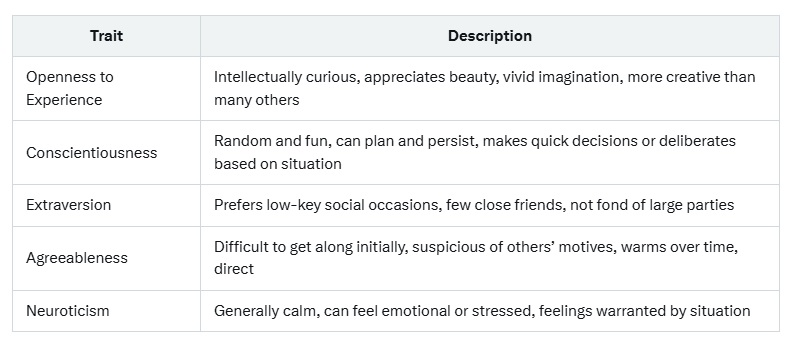
Posted in America | Comments Off on What are the status markers in Jewish-American life, in Asian-American life, in WASP American life, in African-American life, in Mexican-American life, in evangelical Christian life, in academic life?