
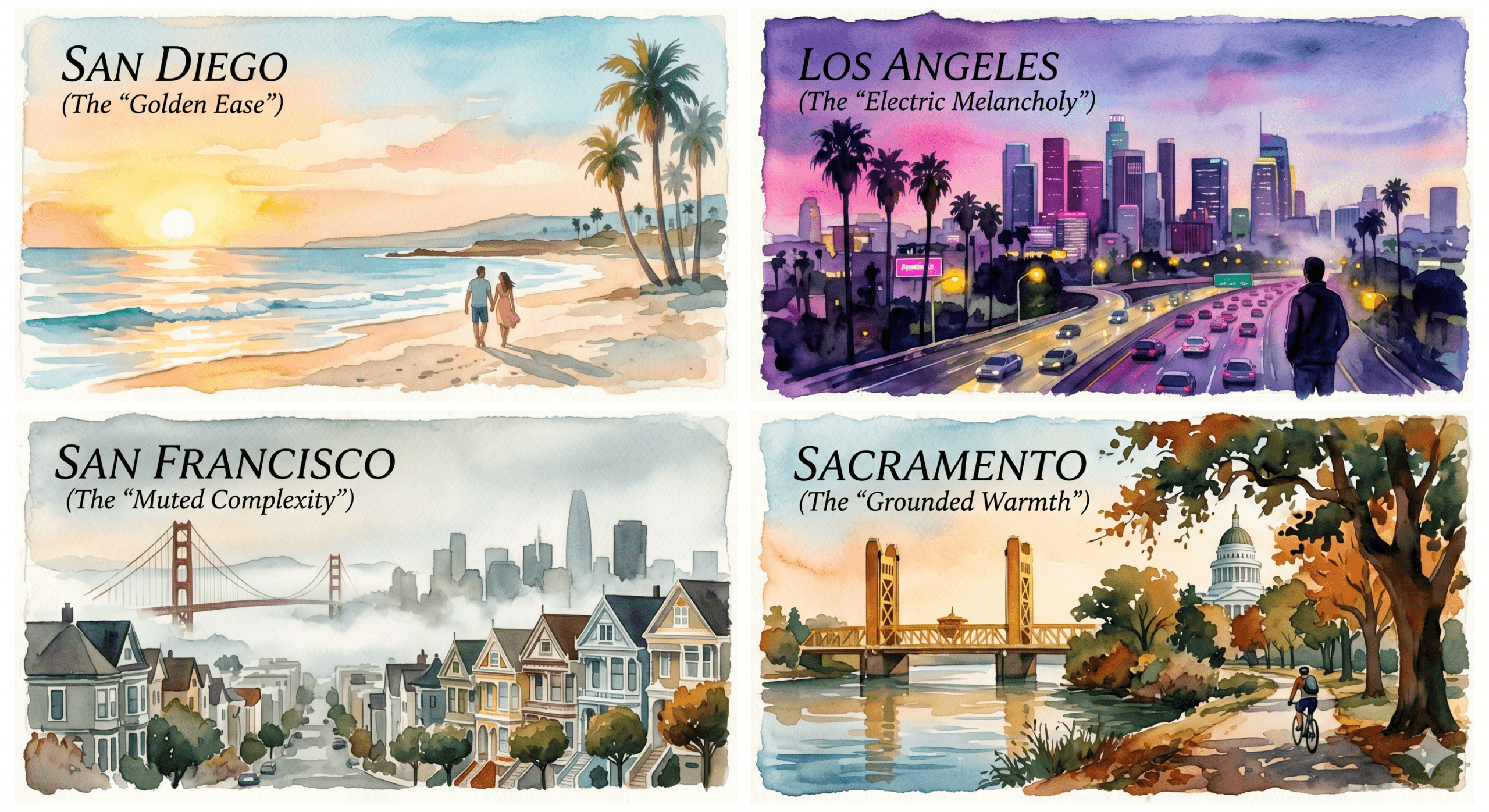
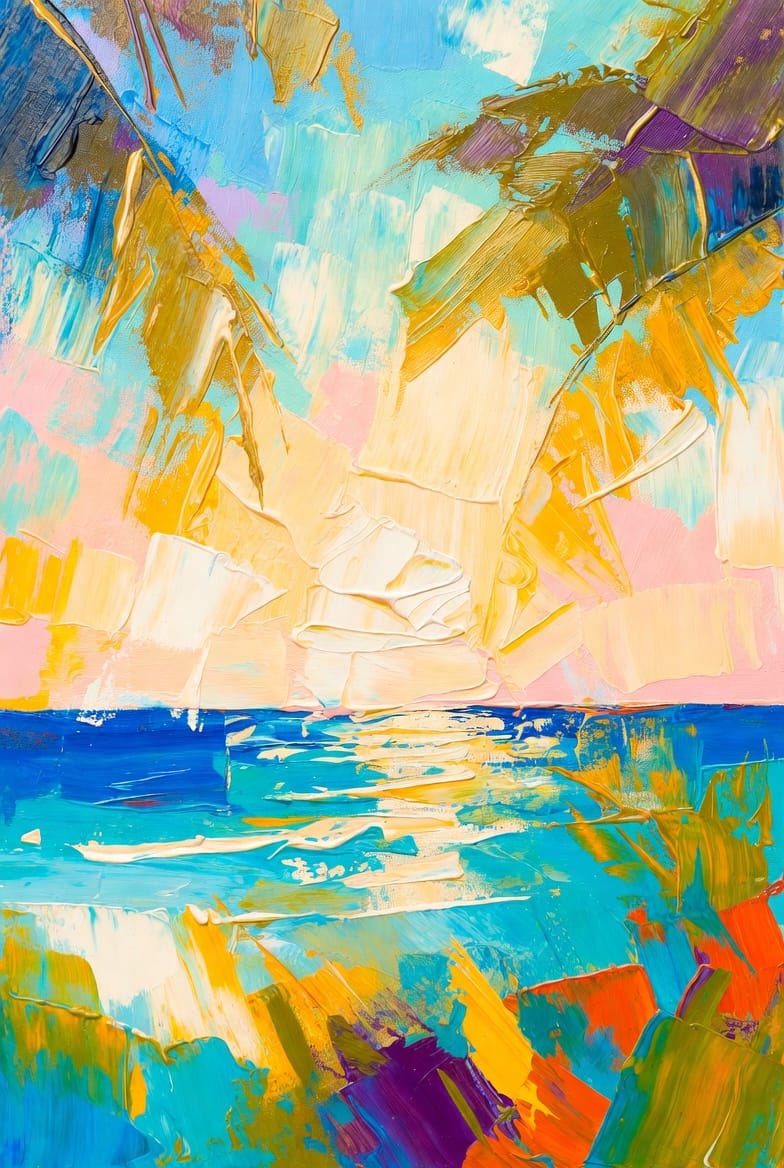
San Diego paints in soft pastels. Sun-bleached cream, eucalyptus green, sandstone gold, the muted teal of the Pacific seen from a cliff in La Jolla. Light arrives filtered through ocean air and looks permanently late-afternoon, even at noon. Visible stress reads as social embarrassment. The model citizen surfs at dawn, sits on a hospital board, runs a small biotech, and speaks at low volume. Wealth presents as health. The Navy and the medical schools and the defense contractors set the tone: long horizons, procedural calm, technical competence. Status comes from looking unhurried while owning a great deal. The fear underneath is contamination by the chaos of Los Angeles, which sits two hours up the coast and might as well sit on another continent.
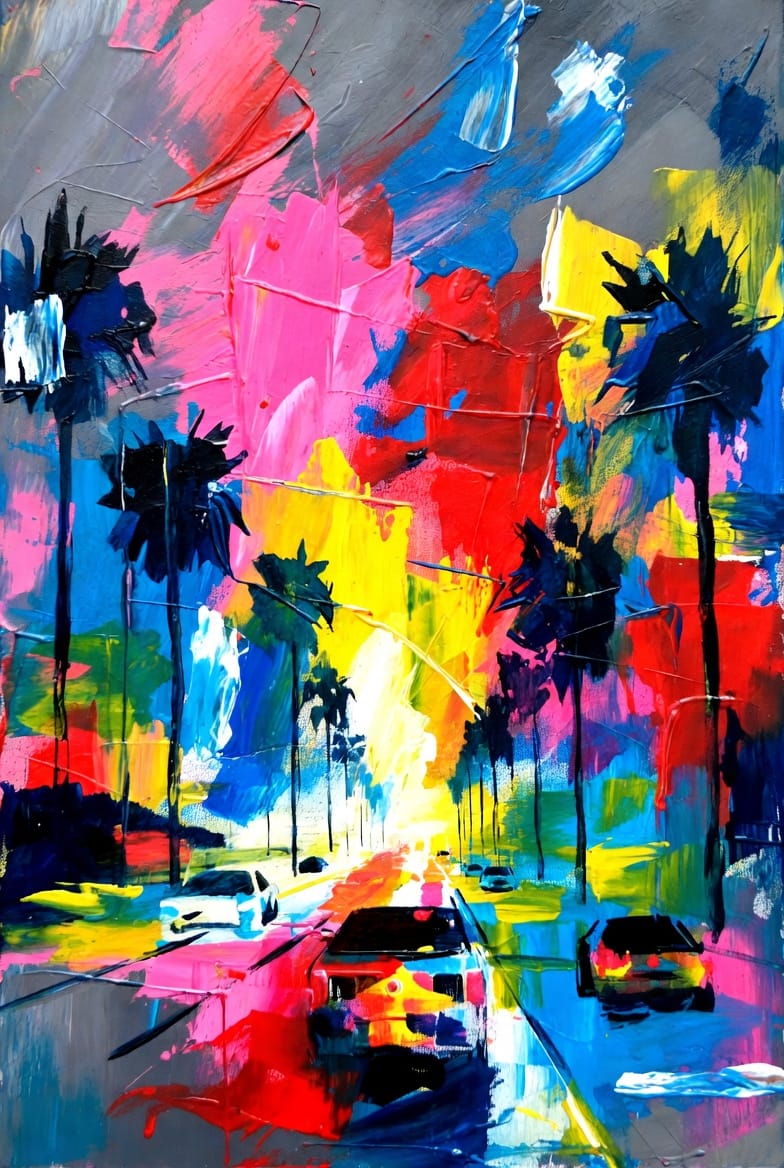
Los Angeles paints in saturated nocturnal color. Magenta, gold, the violet of a smog sunset, the harsh white of studio lighting, the black of canyon roads between mansions. The city looks most like itself at night, lit from underneath by headlights and screens and the bottle-service candles of West Hollywood. Everyone here performs for an audience that may or may not watch, and the failure to behave as if the audience watches marks a man as provincial. Reinvention is the local sacrament. Therapy vocabulary functions as currency. People speak of their healing the way men in other cities speak of their portfolios. The dread underneath the glamour is disappearance. The traffic, the rents, the long auditions for parts that vanish before the callback, the slow attrition of agents and friends and storefronts, all of it produces a population that knows itself replaceable. The city loves you while you remain interesting.
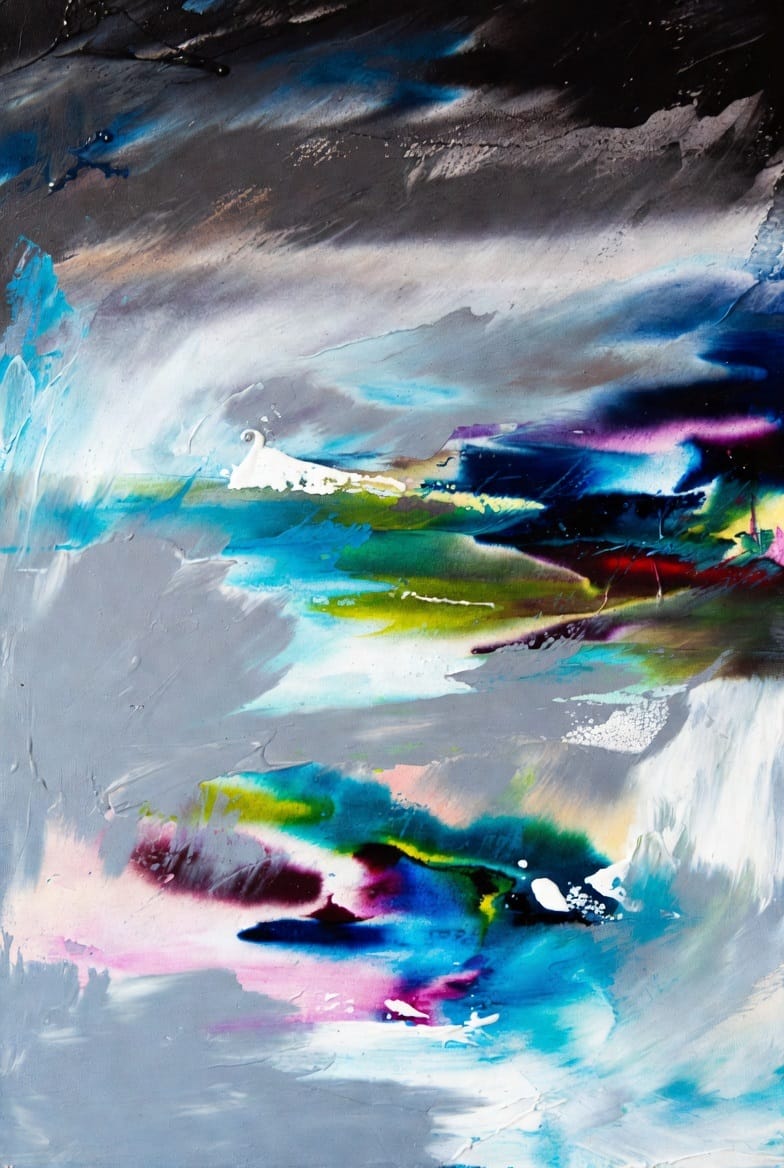
San Francisco paints in fog and steel. Cold gray, oxidized copper, eucalyptus silver, the sudden lemon-yellow of a Victorian on a side street in Pacific Heights, the cobalt of a venture firm’s lobby. Direct sun is rare. Light comes off the fog and the bay and the glass facades, and the city’s people live inside their own heads more than their own bodies. Conversation is competitive. Intelligence is the currency, displayed at parties through references to obscure papers, technical jargon, and the names of foundation models that did not exist six months ago. Ambition runs on anticipation. The wealthy fear obsolescence more than poverty, and a year out of the loop counts as exile. Moral vocabulary tilts toward abstraction: alignment, civilization-scale risk, existential safety. Men step over the body of a fentanyl casualty on Market Street while discussing the welfare of beings not yet born. The contradiction does not register as contradiction. It registers as scale.
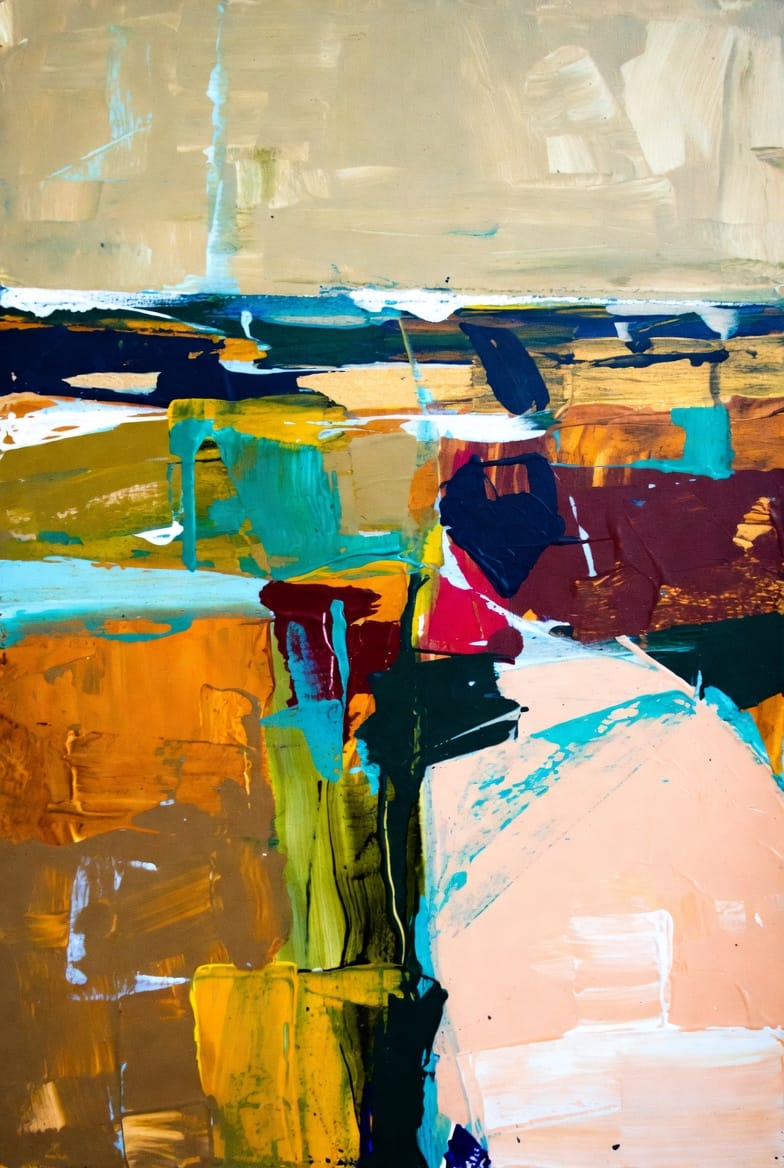
Sacramento paints in agency beige. Olive drab, dry-grass gold, the brown of the American River in August, the muted terracotta of capital-adjacent office parks. The light is inland and hot, with the long amber evenings of the Central Valley. The dominant temperament is procedural. The men who run the place are staffers and lobbyists and union officials and judges and consultants, and they speak in the careful sentences of people who know an offhand line can move through a committee and end a career. Status comes from knowing which amendment sits in which sub-committee and which member is angry with which chair. The texture is less glamorous than the coast but more consequential. Forty million people live downstream of decisions made in unmarked conference rooms by men nobody photographs. The exhaustion here is the exhaustion of process, the slow grind of drafts and revisions and coalition phone calls, but it shapes housing markets and energy grids and labor law in ways Hollywood can only narrate after the fact.
The four cities trade in different currencies of feeling. San Diego sells composure. Los Angeles sells fascination. San Francisco sells prediction. Sacramento sells access. A man optimized for one of them looks slightly broken in the others. The San Diegan reads as flat in Hollywood. The Angeleno reads as exhausting in the Mission. The San Franciscan reads as aloof in the capital. The Sacramento operator reads as cautious everywhere he goes. California shares a flag and a tax code but not a nervous system.
Jews shaped each of these four emotional civilizations, but in different registers, and the imprint runs deeper in some cities than others.
Los Angeles is the clearest case. The studio system was built by Jewish immigrants from the Pale of Settlement and their sons: Carl Laemmle (1867-1939), Adolph Zukor (1873-1976), William Fox (1879-1952), Louis B. Mayer (1884-1957), Samuel Goldwyn (1879-1974), the four Warner brothers, and Harry Cohn (1891-1958). Neal Gabler (b. 1950) argued in An Empire of Their Own: How the Jews Invented Hollywood that these men, locked out of WASP society on the East Coast, invented an American iconography that was more American than the one available to them by birth. The therapeutic vocabulary that defines Los Angeles emotional life came through Jewish channels. Freudian analysis arrived in Hollywood through European refugees like Otto Fenichel (1897-1946) and the wider analytic emigration after 1933. The script doctor, the agent, the development executive, the entertainment lawyer, the therapist to the stars, the showrunner: these roles formed a Jewish professional ecology that taught the city to read every human encounter as narrative. The local sacrament of reinvention has a Jewish grammar. So does the emotional fluency. So does the anxiety about being dropped from the next project, which echoes older anxieties about being dropped from the gentile order.
San Francisco is the second clear case, but the imprint changed shape. Nineteenth-century Jewish San Francisco was a German Reform merchant class: Levi Strauss (1829-1902), the Haas and Magnin and Zellerbach families, and the Hellmans. These men built department stores, banks, philanthropies, and the Pacific-coast version of Our Crowd. They were composed, civic, and integrated, and they set the tone for a certain kind of Bay Area wealth that prized institutional respectability over display. The second wave came through the postwar university and the tech industry. Jewish faculty at Stanford and Berkeley, Jewish founders and venture capitalists from Andy Grove (1936-2016) to Larry Ellison (b. 1944) to Sergey Brin (b. 1973) to Marc Andreessen’s partner Ben Horowitz (b. 1966) to Sam Altman (b. 1985), shaped the moral language of the industry. The talmudic style of argument, the rabbinic habit of fine distinction, the prophetic register of civilizational warning, the seminar-room mode of conversation: these forms became the house style of effective altruism, AI safety discourse, and the rationalist scene around Berkeley. The abstraction and the moral seriousness of San Francisco have a Jewish accent.
San Diego is the weakest case. The city had a small German Jewish merchant founding layer, and La Jolla retains a story most San Diegans have forgotten: Ellen Browning Scripps (1836-1932) ran a Protestant town and restrictive covenants and informal exclusion kept La Jolla effectively closed to Jews until Roger Revelle (1909-1991) forced the issue when recruiting faculty for the new University of California San Diego in the late 1950s. He told the city it could not have a research university and antisemitism at the same time. The medical school and Salk Institute and Scripps Research that followed pulled in a Jewish scientific class, and biotech firms like Hybritech and Idec grew partly out of that recruitment. But San Diego never developed a Jewish cultural layer thick enough to color the city’s emotional tone. The composure of San Diego is older and more Protestant. Jews participate in it without setting it.
Sacramento is the thinnest case of the four. There is a small old Jewish community going back to gold rush merchants, a handful of legislators and lobbyists and judges, and a competent Federation, but the city’s procedural temperament was set by Protestant Progressives, Catholic labor, agricultural interests, and the postwar civil service. The Jewish presence in Sacramento is professional rather than formative. Howard Berman (b. 1941) and Henry Waxman (b. 1939) ran a Los Angeles-based political machine that reached into the capital, and Jewish staffers and consultants move through the building, but the building was built by other hands.
A few cross-cutting observations.
The Jewish contribution runs heaviest where the industry rewards verbal facility, narrative construction, and the management of attention. Hollywood and Silicon Valley both reward those skills at extreme scale. San Diego biotech and Sacramento government reward them less, and the imprint is correspondingly lighter.
The Jewish contribution also runs heaviest where the dominant emotional task is reinvention or anticipation. Los Angeles asks people to remake themselves. San Francisco asks people to live ahead of the present. Both tasks suit a diasporic sensibility shaped by migration, adaptation, and the management of uncertain futures. San Diego asks for composure inside an existing order. Sacramento asks for fluency inside an existing process. Neither task draws as heavily on the same sensibility.
The therapeutic-confessional register that Angelenos take for ordinary speech, and the civilizational-ethical register that San Franciscans take for ordinary speech, are both downstream of Jewish intellectual traditions translated through twentieth-century American institutions. A San Diegan or a Sacramento staffer can find both registers exhausting for the same underlying reason: they encode a verbal culture that does not match the local one.
